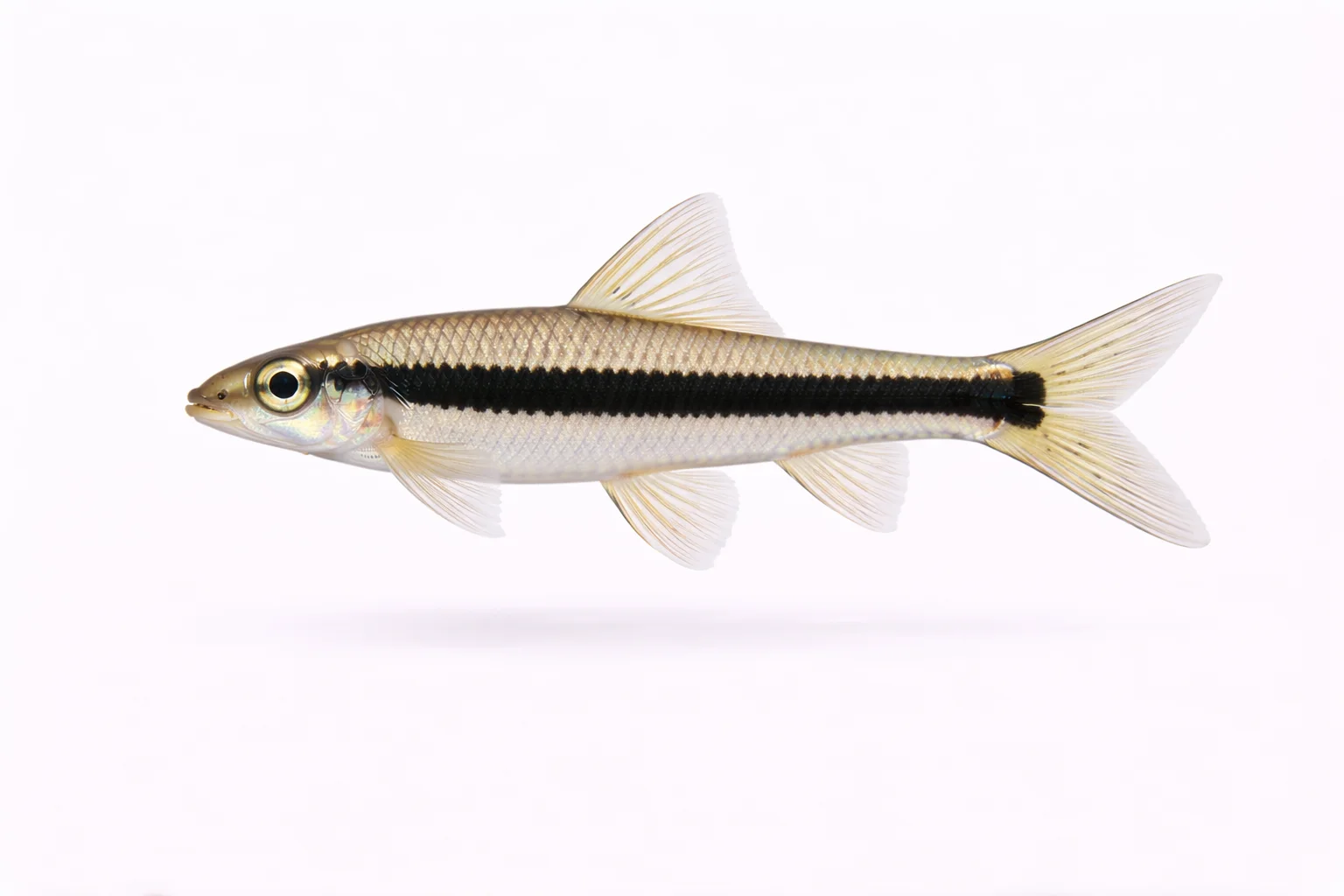
Siamese Algae Eater
Crossocheilus oblongus
Minimum Tank
30 Gallons
Adult Size
6 inches
Temperature
75-79°F (24-26°C)
pH Range
6.5-8.0
Lifespan
10 years
School Size
3+ fish
About Siamese Algae Eater
The Siamese algae eater is a slender, active fish from the flowing streams and rivers of Thailand and Malaysia. It is widely regarded as the most effective algae-eating fish available to freshwater aquarists, capable of consuming the notorious black beard algae (BBA) that virtually no other fish will touch. Its body is olive-brown with a prominent black stripe running from nose to tail that extends into the tail fin, which distinguishes it from similar-looking imposters like the Chinese algae eater and the flying fox. Siamese algae eaters are peaceful, active swimmers that constantly graze on surfaces throughout the tank. They are a staple recommendation for planted aquarium enthusiasts battling algae problems.
Care Requirements
Tank Setup
- • Minimum 30-gallon tank required
- • Temperature: 75-79°F (24-26°C)
- • pH: 6.5 - 8.0
- • Category: Catfish
Diet & Feeding
- • Diet type: Herbivore
- • Feed 1-2 times daily
- • Varied diet recommended
Tank Mate Compatibility
Compatible With
Avoid Keeping With
Care Tips
Expert Tips
Siamese algae eaters are active swimmers that need at least 30 gallons with good flow and open swimming space. They eat black beard algae (BBA), green algae, and other types that most algae eaters ignore, making them invaluable for planted tanks. However, as they grow and age, they may become less interested in algae and prefer commercial foods. Keep them singly or in small groups and avoid housing with similar-looking species that may cause territorial conflicts. Feed algae wafers and blanched vegetables alongside standard foods. They are generally peaceful but can become somewhat territorial as they mature. Temperature should be 75-79°F. Avoid confusing them with Chinese algae eaters, which become aggressive.
Quick Facts
114L
Min Tank (30gal)
15cm
Adult Size (6")
10yr
Lifespan
3+
Min School
Build Your Perfect Community Tank
Find compatible tankmates for your Siamese Algae Eater
Related Species You Might Like
Bristlenose Pleco
Ancistrus sp.
Upside-Down Catfish
Synodontis nigriventris
Clown Pleco
Panaqolus maccus
Corydoras Catfish
Corydoras sp.
Glass Catfish
Kryptopterus vitreolus
Panda Corydoras
Corydoras panda
Tank Mates for Siamese Algae Eater
Species from our database with overlapping water parameters, compatible temperaments and a realistic shared tank size.
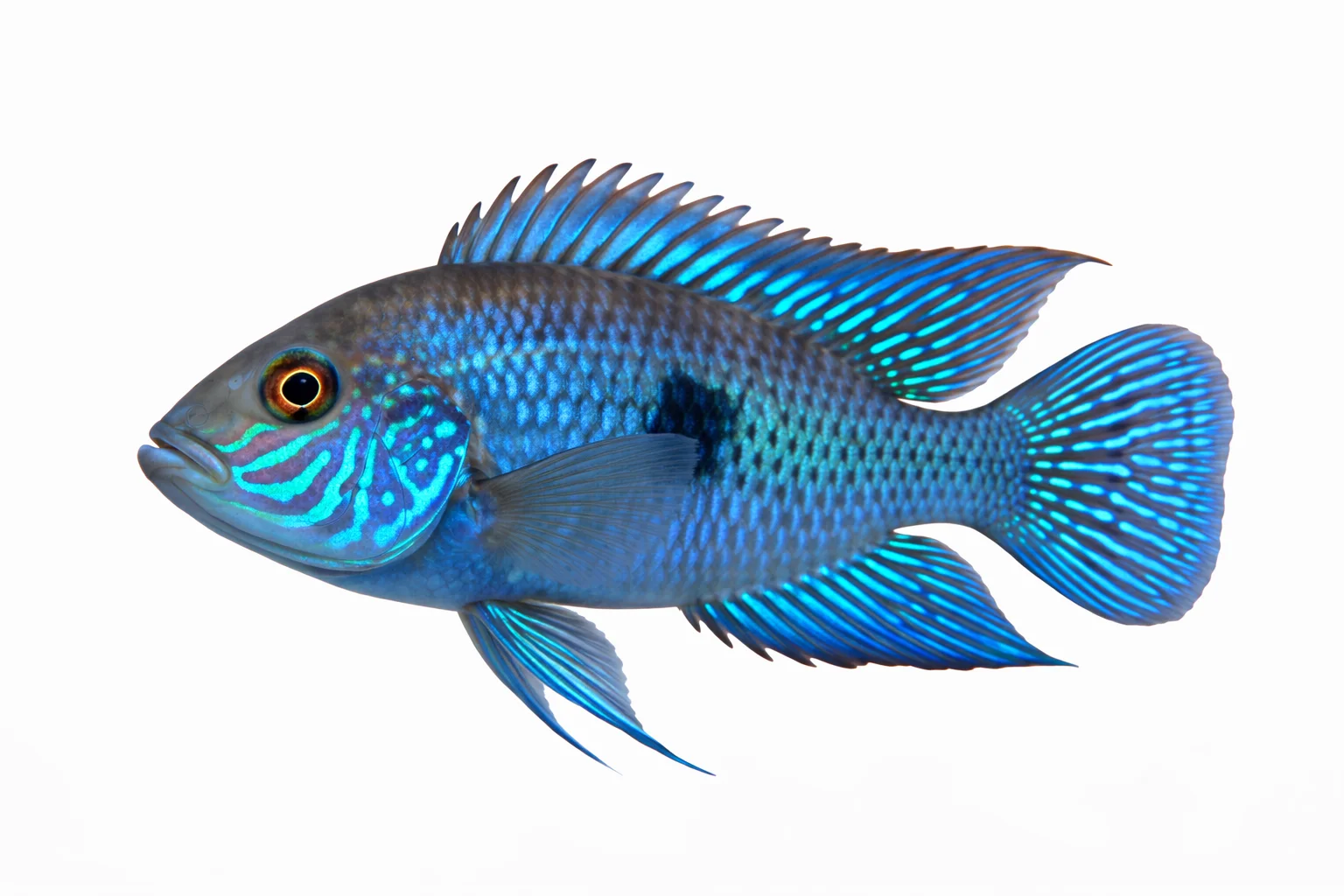 Electric Blue Acara
Andinoacara pulcher var.
easy · 30+ gal
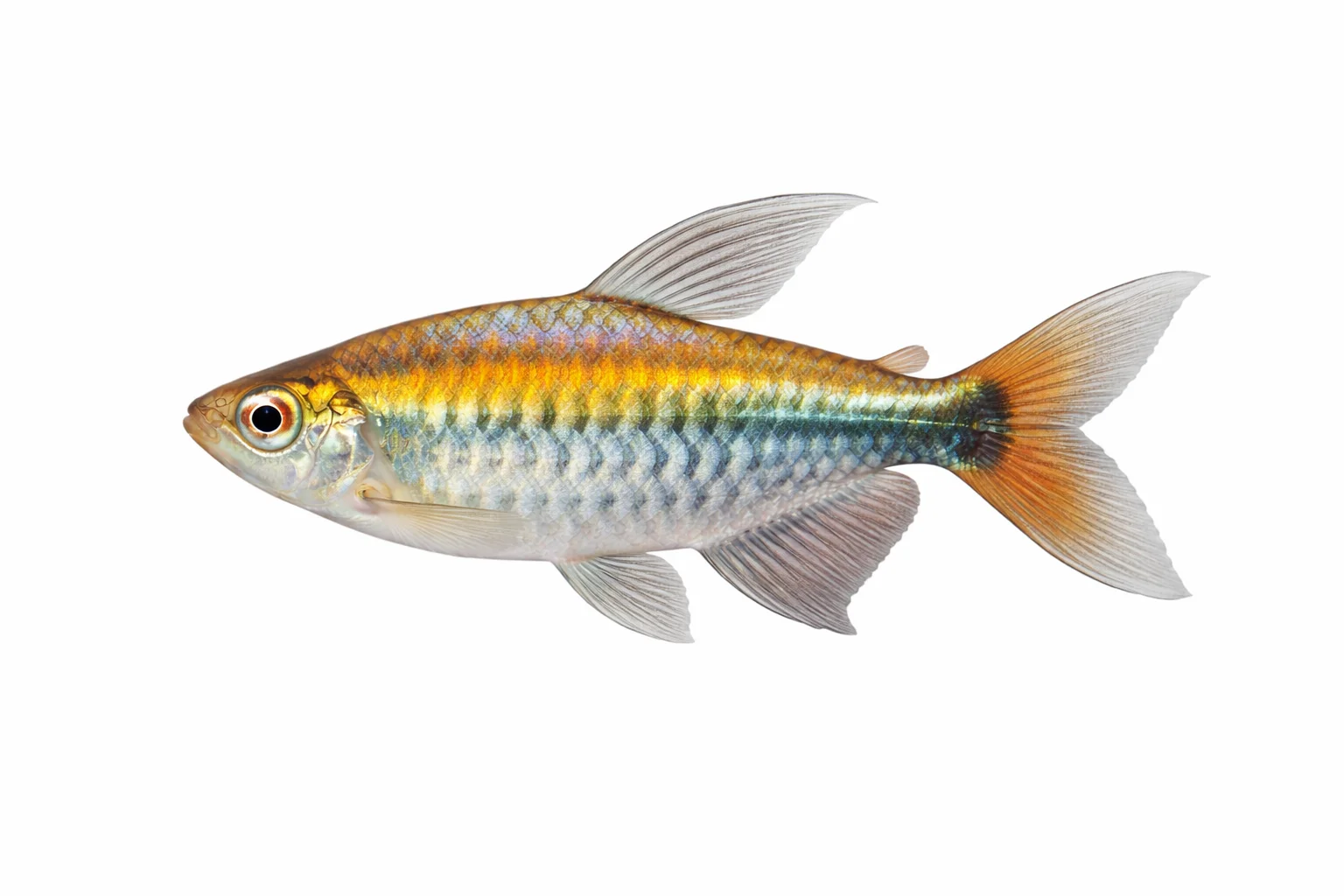 Congo Tetra
Phenacogrammus interruptus
moderate · 30+ gal
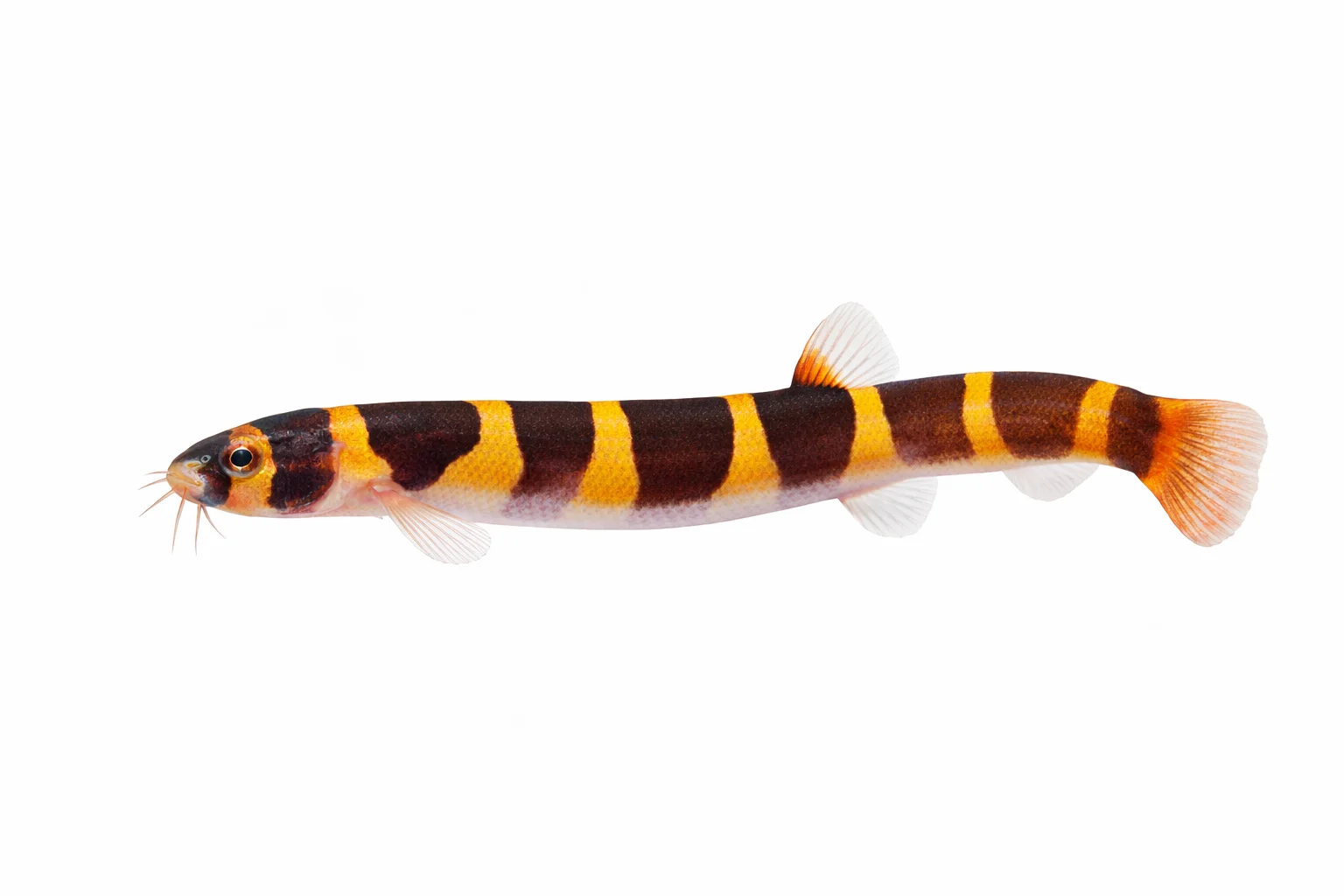 Kuhli Loach
Pangio kuhlii
moderate · 15+ gal
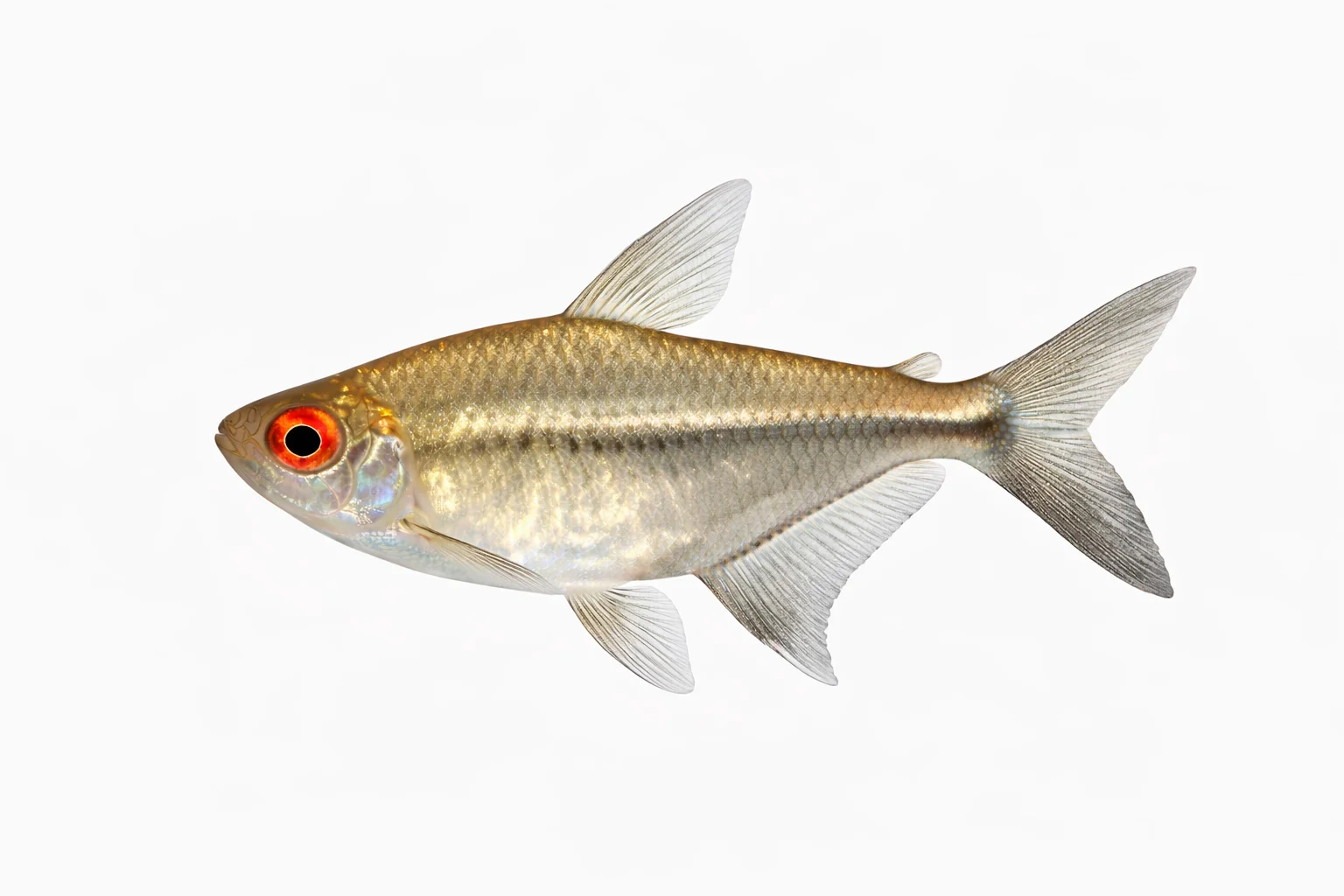 Red Eye Tetra
Moenkhausia sanctaefilomenae
easy · 20+ gal
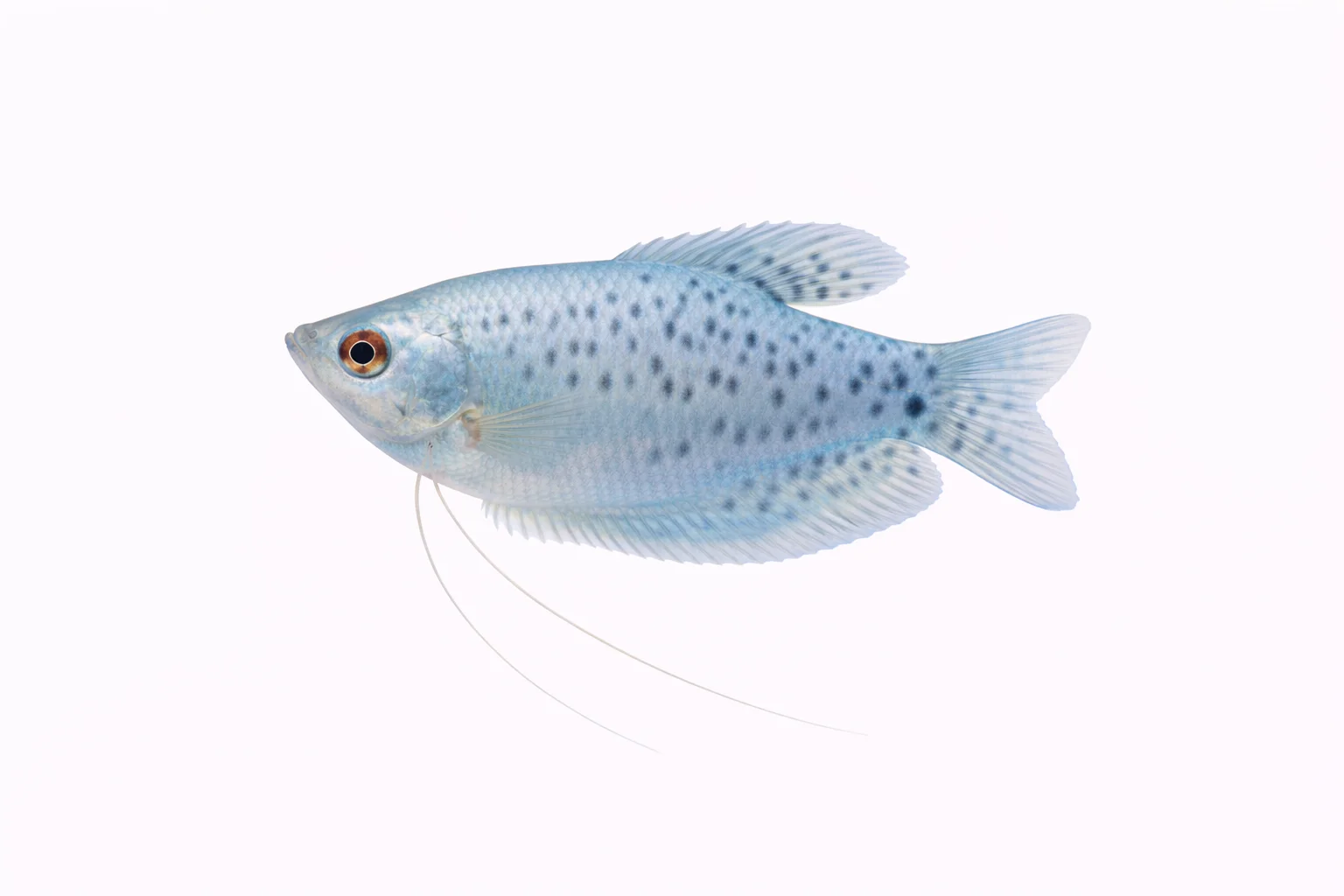
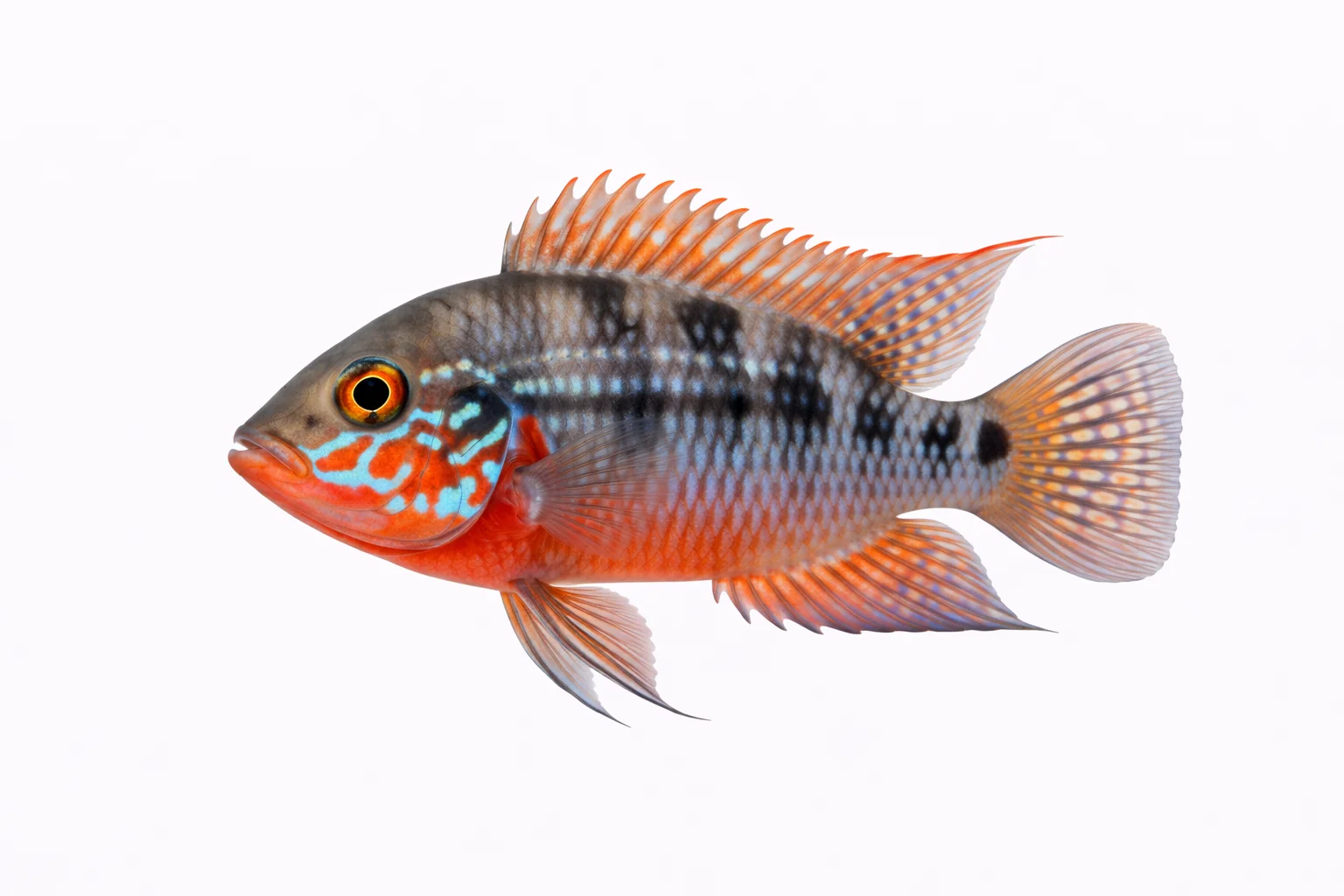
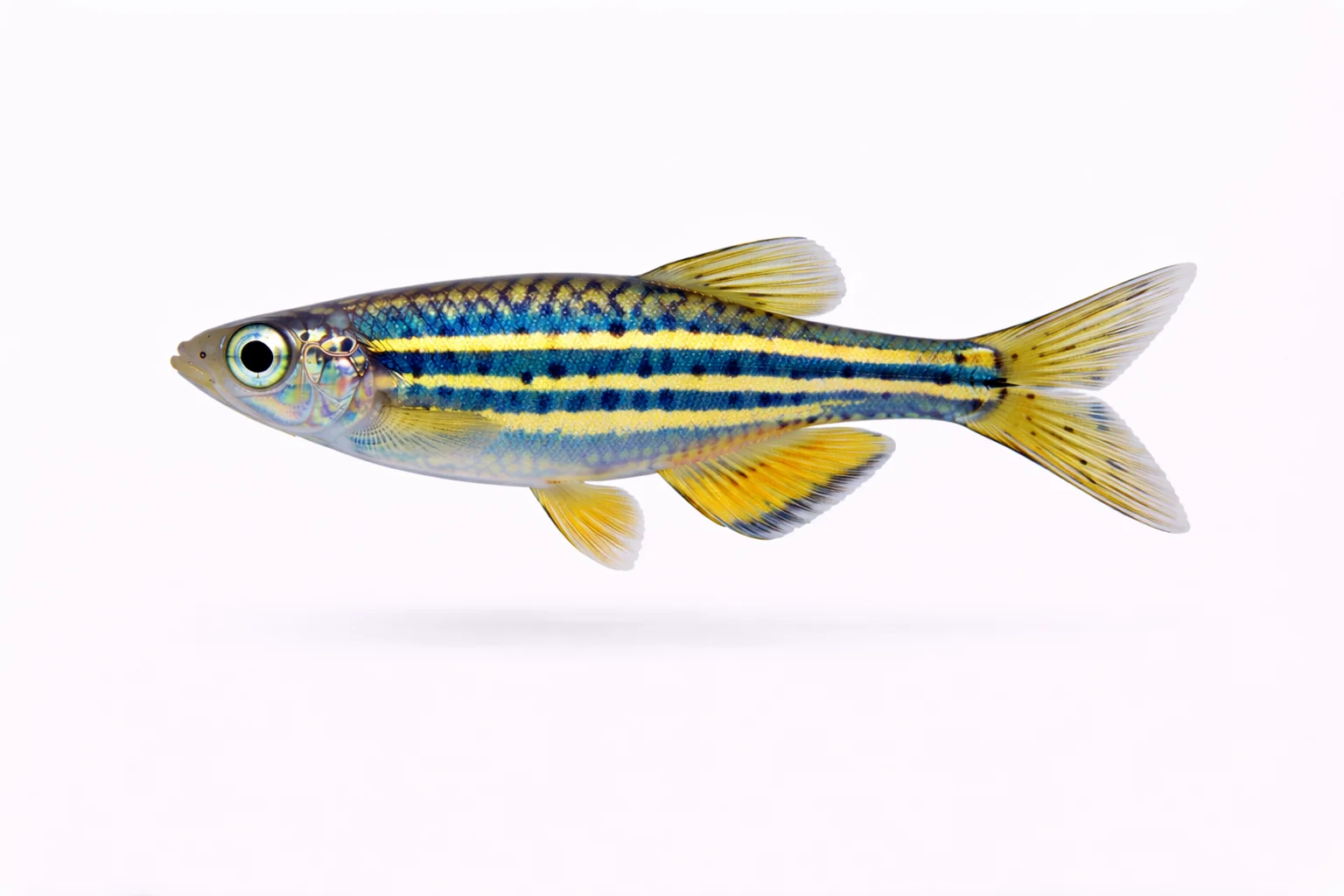
Similar Care Level
Other easy-care species that suit a comparable setup.
Frequently Asked Questions
What size tank does a Siamese Algae Eater need?
A Siamese Algae Eater needs a minimum tank size of 30 gallons (114 litres). They should be kept in schools of at least 3.
What water parameters does a Siamese Algae Eater need?
Siamese Algae Eater thrive in water between 75-79°F (24-26°C) with a pH of 6.5-8.0.
Are Siamese Algae Eater easy to care for?
Siamese Algae Eater are considered easy to care for. They are peaceful fish with a lifespan of about 10 years.
How big do Siamese Algae Eater get and what do they eat?
Siamese Algae Eater reach about 6 inches and are herbivores. Siamese algae eaters are active swimmers that need at least 30 gallons with good flow and open swimming space. They eat black beard algae (BBA), green algae, and other types that most algae eaters ignore, making them invaluable for planted tanks. However, as they grow and age, they may become less interested in algae and prefer commercial foods. Keep them singly or in small groups and avoid housing with similar-looking species that may cause territorial conflicts. Feed algae wafers and blanched vegetables alongside standard foods. They are generally peaceful but can become somewhat territorial as they mature. Temperature should be 75-79°F. Avoid confusing them with Chinese algae eaters, which become aggressive.