
White Cloud Mountain Minnow
Tanichthys albonubes
Minimum Tank
10 Gallons
Adult Size
1.5 inches
Temperature
60-72°F (16-22°C)
pH Range
6.0-8.0
Lifespan
5 years
School Size
8+ fish
About White Cloud Mountain Minnow
The white cloud mountain minnow is a small, brightly colored fish originally discovered on White Cloud Mountain near Guangzhou, China, in 1932. Its slender body features an iridescent blue and pink lateral stripe, reddish fins, and a golden-bronze sheen. For decades it was considered extinct in the wild before small populations were rediscovered. White cloud mountain minnows are subtropical fish that prefer cool water, naturally inhabiting clear mountain streams. Popular variants include the golden white cloud and the long-finned form. They are incredibly hardy, peaceful fish that have earned the nickname of the poor man's neon tetra for their similar appearance and schooling behavior at a fraction of the cost and difficulty.
Care Requirements
Tank Setup
- • Minimum 10-gallon tank required
- • Temperature: 60-72°F (16-22°C)
- • pH: 6.0 - 8.0
- • Category: Danio
Diet & Feeding
- • Diet type: Omnivore
- • Feed 1-2 times daily
- • Varied diet recommended
Tank Mate Compatibility
Compatible With
Avoid Keeping With
Care Tips
Expert Tips
White cloud mountain minnows are cool-water fish that thrive at 60-72°F, making them ideal for unheated tanks and outdoor tubs in temperate climates during summer. They actually suffer in typical tropical temperatures above 80°F. Keep them in schools of at least six in a tank of 10 gallons or more. They are peaceful and make excellent companions for other cool-water species like rosy barbs and peppered corydoras. Feed quality flakes and micro-pellets supplemented with frozen daphnia and brine shrimp. White cloud mountain minnows are among the hardiest aquarium fish available and are nearly indestructible for beginners. They breed readily in planted tanks, scattering eggs among fine-leaved vegetation.
Quick Facts
38L
Min Tank (10gal)
4cm
Adult Size (1.5")
5yr
Lifespan
8+
Min School
Build Your Perfect Community Tank
Find compatible tankmates for your White Cloud Mountain Minnow
Related Species You Might Like
Zebra Danio
Danio rerio
Leopard Danio
Danio rerio var.
Pearl Danio
Danio albolineatus
Longfin Zebra Danio
Danio rerio var.
Gold Ring Danio
Brachydanio tinwini
Giant Danio
Devario aequipinnatus
Tank Mates for White Cloud Mountain Minnow
Species from our database with overlapping water parameters, compatible temperaments and a realistic shared tank size.
 Gold Barb
Barbodes semifasciolatus
easy · 20+ gal
 Hillstream Loach
Sewellia lineolata
moderate · 20+ gal
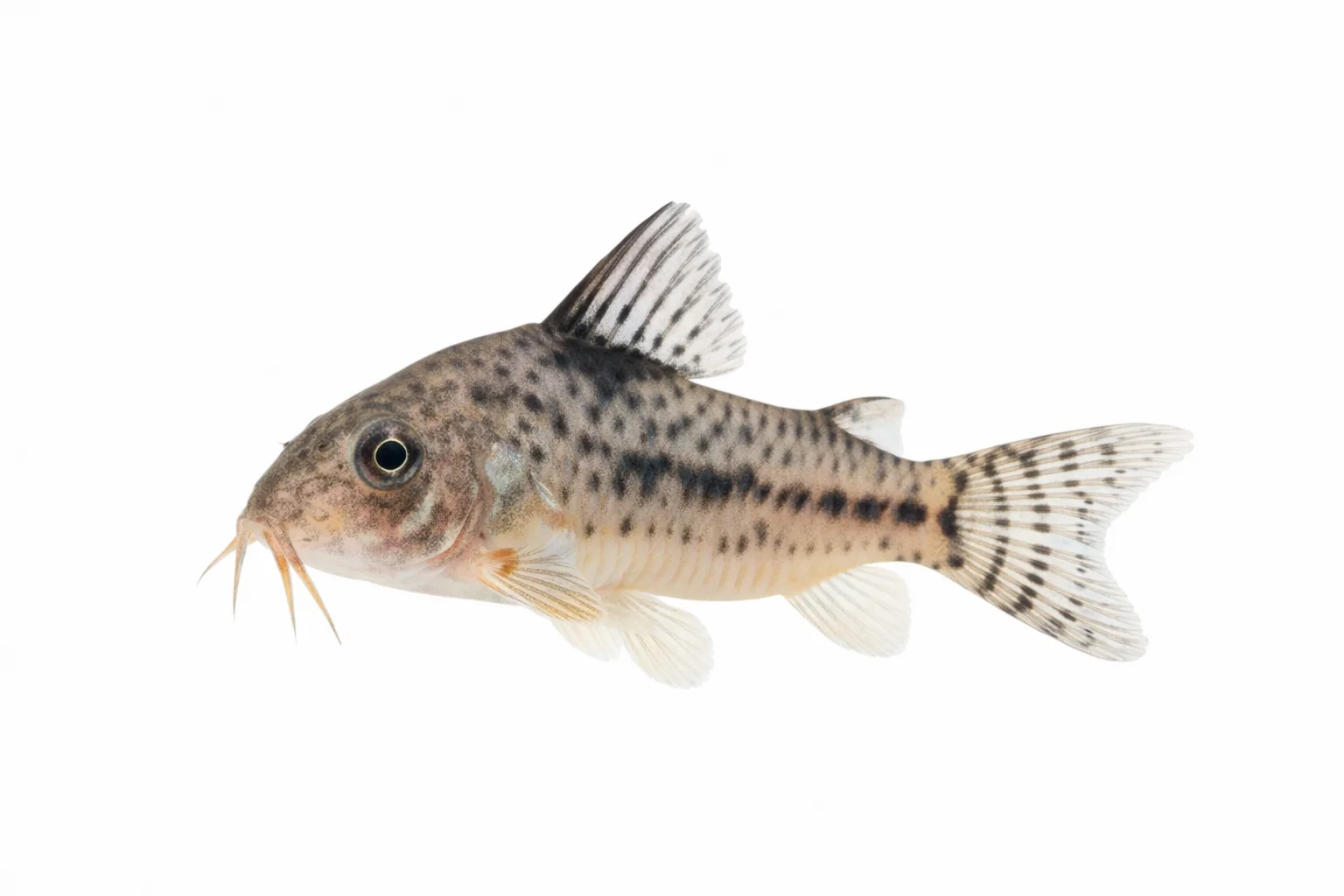
 Peppered Corydoras
Corydoras paleatus
easy · 15+ gal
 Blue Velvet Shrimp
Neocaridina davidi var.
easy · 5+ gal
Similar Care Level
Other easy-care species that suit a comparable setup.


Frequently Asked Questions
What size tank does a White Cloud Mountain Minnow need?
A White Cloud Mountain Minnow needs a minimum tank size of 10 gallons (38 litres). They should be kept in schools of at least 8.
What water parameters does a White Cloud Mountain Minnow need?
White Cloud Mountain Minnow thrive in water between 60-72°F (16-22°C) with a pH of 6.0-8.0.
Are White Cloud Mountain Minnow easy to care for?
White Cloud Mountain Minnow are considered easy to care for. They are peaceful fish with a lifespan of about 5 years.
How big do White Cloud Mountain Minnow get and what do they eat?
White Cloud Mountain Minnow reach about 1.5 inches and are omnivores. White cloud mountain minnows are cool-water fish that thrive at 60-72°F, making them ideal for unheated tanks and outdoor tubs in temperate climates during summer. They actually suffer in typical tropical temperatures above 80°F. Keep them in schools of at least six in a tank of 10 gallons or more. They are peaceful and make excellent companions for other cool-water species like rosy barbs and peppered corydoras. Feed quality flakes and micro-pellets supplemented with frozen daphnia and brine shrimp. White cloud mountain minnows are among the hardiest aquarium fish available and are nearly indestructible for beginners. They breed readily in planted tanks, scattering eggs among fine-leaved vegetation.