
Blue Velvet Shrimp
Neocaridina davidi var.
Minimum Tank
5 Gallons
Adult Size
1 inches
Temperature
65-80°F (18-27°C)
pH Range
6.5-8.0
Lifespan
2 years
School Size
10+ fish
About Blue Velvet Shrimp
The blue velvet shrimp is a striking color variant of the hardy Neocaridina davidi, selectively bred for a rich, velvety blue coloration that ranges from light sky blue to deep cobalt. Like their cherry shrimp cousins, they originate from the wild form found in Taiwan. Blue velvet shrimp are one of the most popular colored Neocaridina varieties, prized for the vivid contrast they create against green plants and natural substrates. They share the same easy-going nature and hardiness as cherry shrimp, making them accessible to beginners while offering a unique color palette. A colony of blue velvet shrimp grazing across a carpet of green moss is one of the most visually appealing displays in nano aquarium keeping.
Care Requirements
Tank Setup
- • Minimum 5-gallon tank required
- • Temperature: 65-80°F (18-27°C)
- • pH: 6.5 - 8.0
- • Category: Shrimp
Diet & Feeding
- • Diet type: Omnivore
- • Feed 1-2 times daily
- • Varied diet recommended
Tank Mate Compatibility
Compatible With
Avoid Keeping With
Care Tips
Expert Tips
Blue velvet shrimp have the same care requirements as cherry shrimp, thriving in stable, well-cycled tanks at 65-80°F with a pH of 6.5-8.0. They are among the hardiest ornamental shrimp and breed readily in home aquariums. Avoid housing with cherry shrimp or other Neocaridina color variants, as they will interbreed and offspring will revert to dull wild-type coloring over generations. Provide a dark substrate to make their blue coloring stand out. Feed shrimp-specific foods, blanched vegetables, and let natural biofilm grow on surfaces. They are sensitive to copper and sudden parameter changes. Maintain stable water quality with regular small water changes. A sponge filter provides both gentle filtration and a grazing surface.
Quick Facts
19L
Min Tank (5gal)
3cm
Adult Size (1")
2yr
Lifespan
10+
Min School
Build Your Perfect Community Tank
Find compatible tankmates for your Blue Velvet Shrimp
Related Species You Might Like
Cherry Shrimp
Neocaridina davidi
Amano Shrimp
Caridina multidentata
Ghost Shrimp
Palaemonetes paludosus
Crystal Red Shrimp
Caridina cantonensis
Otocinclus
Otocinclus sp.
Bamboo Shrimp
Atyopsis moluccensis
Tank Mates for Blue Velvet Shrimp
Species from our database with overlapping water parameters, compatible temperaments and a realistic shared tank size.
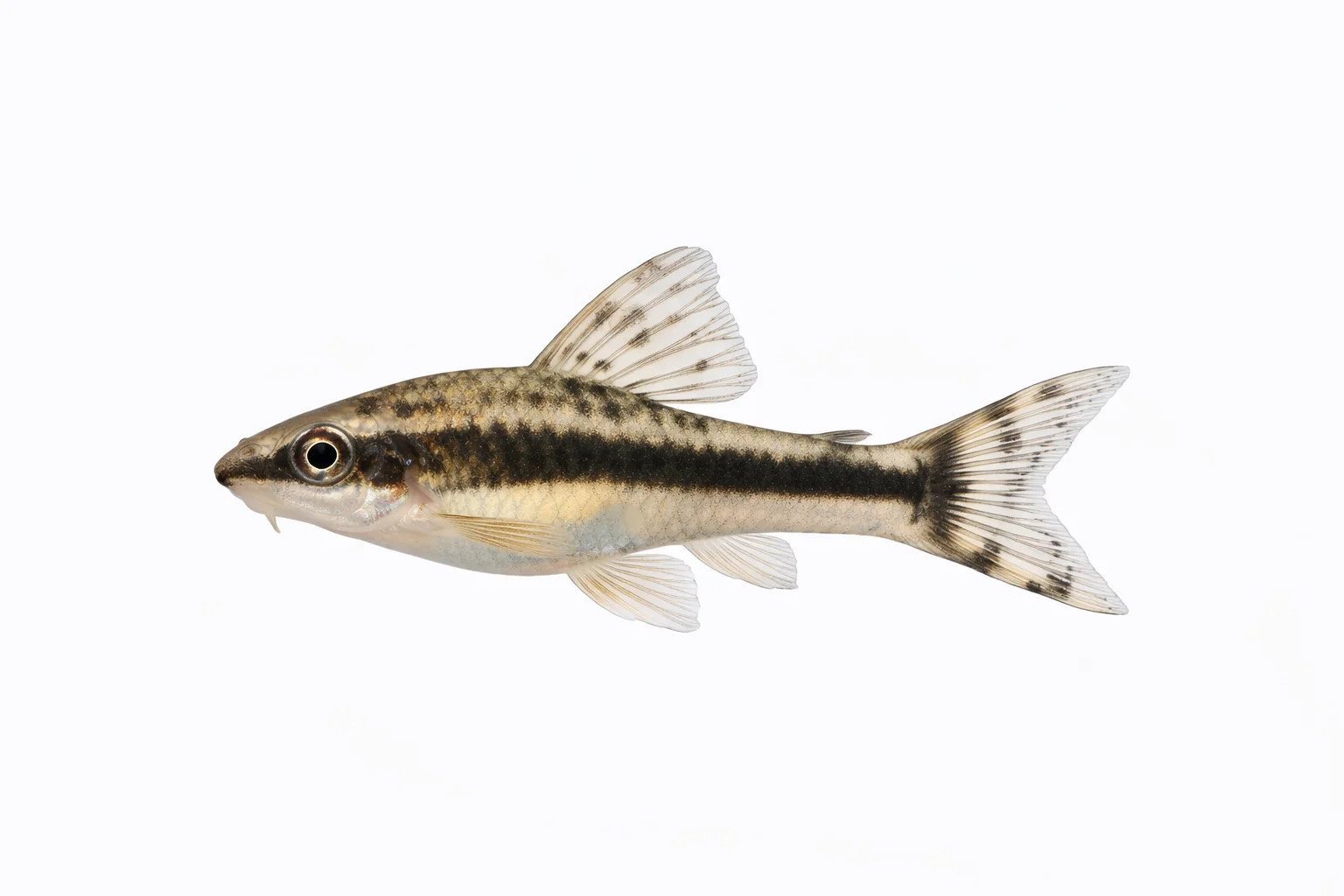 Otocinclus
 sp.
moderate · 10+ gal
 Malaysian Trumpet Snail
Melanoides tuberculata
easy · 5+ gal
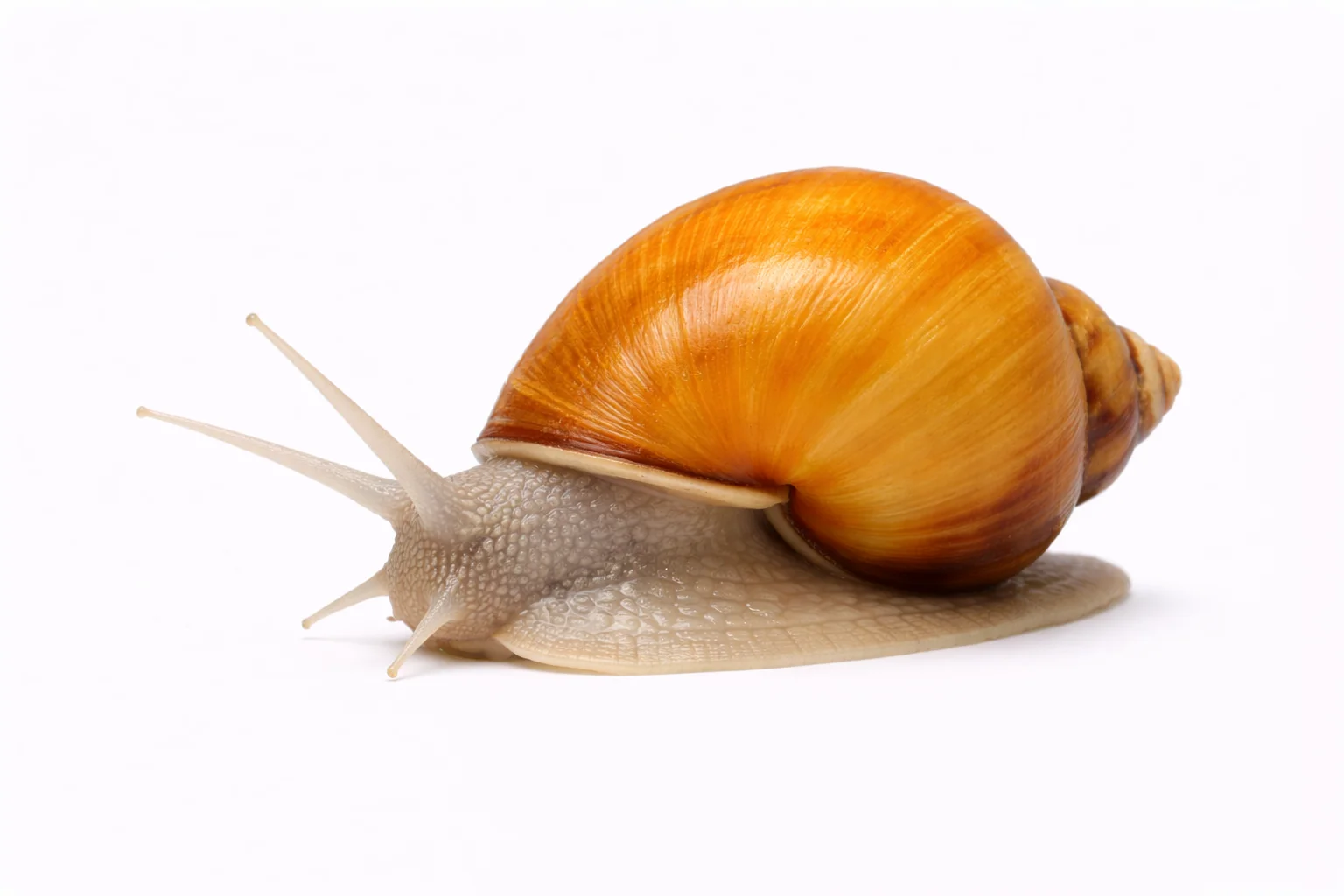 Mystery Snail
Pomacea bridgesii
easy · 10+ gal
 Least Killifish
Heterandria formosa
easy · 5+ gal
Similar Care Level
Other easy-care species that suit a comparable setup.

Frequently Asked Questions
What size tank does a Blue Velvet Shrimp need?
A Blue Velvet Shrimp needs a minimum tank size of 5 gallons (19 litres). They should be kept in schools of at least 10.
What water parameters does a Blue Velvet Shrimp need?
Blue Velvet Shrimp thrive in water between 65-80°F (18-27°C) with a pH of 6.5-8.0.
Are Blue Velvet Shrimp easy to care for?
Blue Velvet Shrimp are considered easy to care for. They are peaceful fish with a lifespan of about 2 years.
How big do Blue Velvet Shrimp get and what do they eat?
Blue Velvet Shrimp reach about 1 inch and are omnivores. Blue velvet shrimp have the same care requirements as cherry shrimp, thriving in stable, well-cycled tanks at 65-80°F with a pH of 6.5-8.0. They are among the hardiest ornamental shrimp and breed readily in home aquariums. Avoid housing with cherry shrimp or other Neocaridina color variants, as they will interbreed and offspring will revert to dull wild-type coloring over generations. Provide a dark substrate to make their blue coloring stand out. Feed shrimp-specific foods, blanched vegetables, and let natural biofilm grow on surfaces. They are sensitive to copper and sudden parameter changes. Maintain stable water quality with regular small water changes. A sponge filter provides both gentle filtration and a grazing surface.