
Malaysian Trumpet Snail
Melanoides tuberculata
Minimum Tank
5 Gallons
Adult Size
1 inches
Temperature
70-82°F (21-28°C)
pH Range
7.0-8.0
Lifespan
3 years
About Malaysian Trumpet Snail
The Malaysian trumpet snail is a small, cone-shelled snail native to the freshwater habitats of Southeast Asia but now found worldwide as an introduced species. Its elongated, spiraling shell resembles a tiny trumpet or unicorn horn. Malaysian trumpet snails are unique among common aquarium snails in being livebearers, giving birth to fully formed miniature snails rather than laying eggs. They are burrowing snails that spend much of their time beneath the substrate, emerging primarily at night to forage on the surface. This burrowing behavior provides a valuable service by aerating the substrate and preventing dangerous anaerobic gas pockets from forming. They are both valued helpers and potential pests depending on the keeper's perspective.
Care Requirements
Tank Setup
- • Minimum 5-gallon tank required
- • Temperature: 70-82°F (21-28°C)
- • pH: 7.0 - 8.0
- • Category: Snail
Diet & Feeding
- • Diet type: Omnivore
- • Feed 1-2 times daily
- • Varied diet recommended
Tank Mate Compatibility
Compatible With
Avoid Keeping With
Care Tips
Expert Tips
Malaysian trumpet snails are extremely hardy and reproduce readily, especially in tanks with excess food. They tolerate a wide range of conditions from 65-82°F and adapt to most water chemistries. Their burrowing behavior is beneficial, as it aerates substrate and prevents toxic gas buildup, making them particularly useful in planted tanks with nutrient-rich substrates. Control populations by reducing feeding and manually removing excess snails. They are primarily nocturnal, so a sudden appearance of many snails on the glass at night is normal. They prefer sandy or fine-gravel substrates for burrowing. If populations become excessive, assassin snails are an effective biological control. MTS are sensitive to copper-based medications.
Quick Facts
19L
Min Tank (5gal)
3cm
Adult Size (1")
3yr
Lifespan
1+
Can Keep Solo
Build Your Perfect Community Tank
Find compatible tankmates for your Malaysian Trumpet Snail
Related Species You Might Like
Nerite Snail
Neritina sp.
Mystery Snail
Pomacea bridgesii
Ramshorn Snail
Planorbella duryi
Assassin Snail
Clea helena
Rabbit Snail
Tylomelania sp.
Neon Tetra
Paracheirodon innesi
Tank Mates for Malaysian Trumpet Snail
Species from our database with overlapping water parameters, compatible temperaments and a realistic shared tank size.
 Blue Velvet Shrimp
Neocaridina davidi var.
easy · 5+ gal
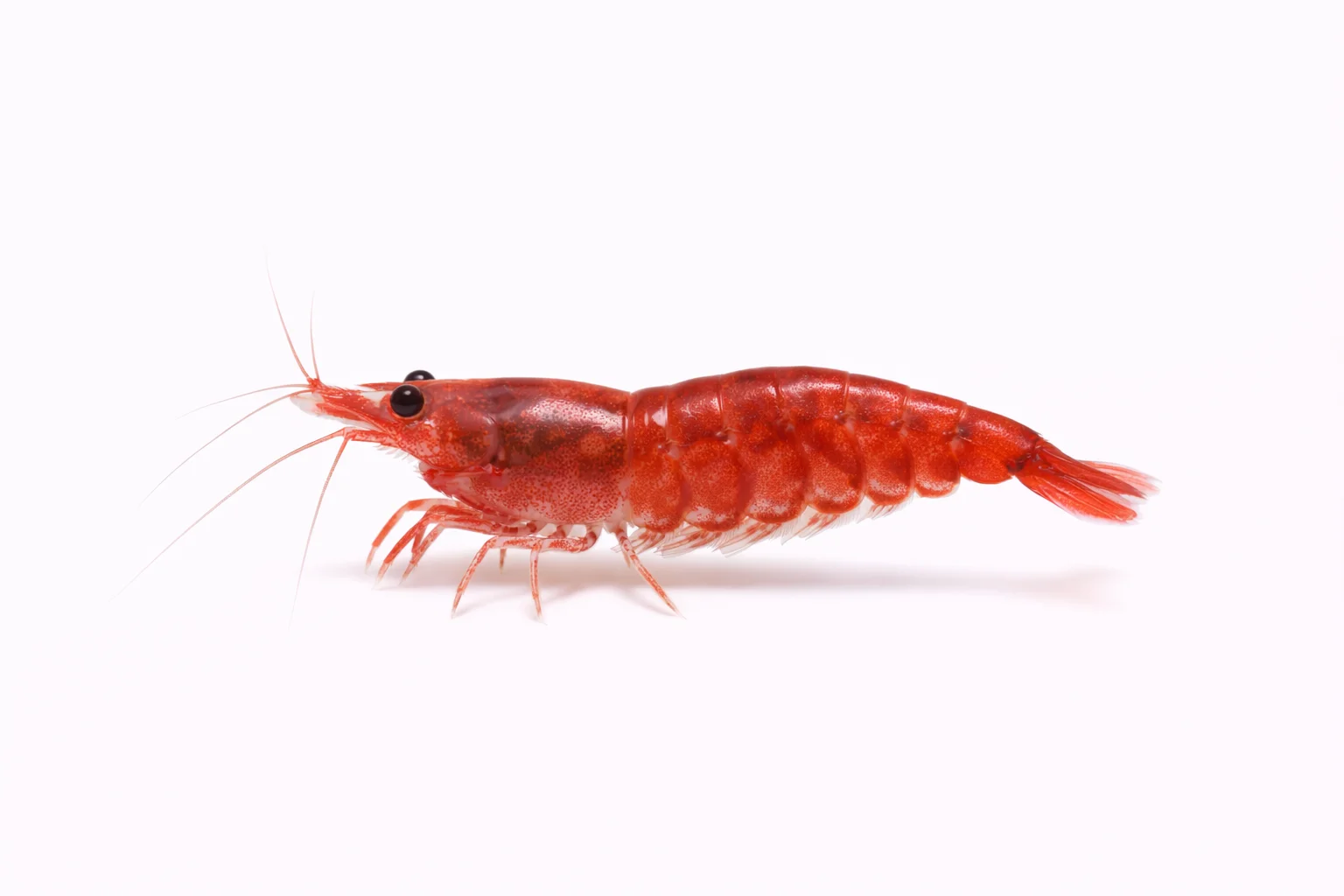 Cherry Shrimp
Neocaridina davidi
easy · 5+ gal
 Least Killifish
Heterandria formosa
easy · 5+ gal
 Clown Killifish
Epiplatys annulatus
moderate · 5+ gal
Similar Care Level
Other easy-care species that suit a comparable setup.

Frequently Asked Questions
What size tank does a Malaysian Trumpet Snail need?
A Malaysian Trumpet Snail needs a minimum tank size of 5 gallons (19 litres).
What water parameters does a Malaysian Trumpet Snail need?
Malaysian Trumpet Snail thrive in water between 70-82°F (21-28°C) with a pH of 7.0-8.0.
Are Malaysian Trumpet Snail easy to care for?
Malaysian Trumpet Snail are considered easy to care for. They are peaceful fish with a lifespan of about 3 years.
How big do Malaysian Trumpet Snail get and what do they eat?
Malaysian Trumpet Snail reach about 1 inch and are omnivores. Malaysian trumpet snails are extremely hardy and reproduce readily, especially in tanks with excess food. They tolerate a wide range of conditions from 65-82°F and adapt to most water chemistries. Their burrowing behavior is beneficial, as it aerates substrate and prevents toxic gas buildup, making them particularly useful in planted tanks with nutrient-rich substrates. Control populations by reducing feeding and manually removing excess snails. They are primarily nocturnal, so a sudden appearance of many snails on the glass at night is normal. They prefer sandy or fine-gravel substrates for burrowing. If populations become excessive, assassin snails are an effective biological control. MTS are sensitive to copper-based medications.