
Forktail Blue-Eye Rainbowfish
Pseudomugil furcatus
Minimum Tank
10 Gallons
Adult Size
2 inches
Temperature
75-79°F (24-26°C)
pH Range
7.0-8.0
Lifespan
3 years
School Size
8+ fish
About Forktail Blue-Eye Rainbowfish
The forktail blue-eye rainbowfish is a tiny, colorful species from the clear, shallow streams and swampy areas of Papua New Guinea. Males display bright yellow bodies with striking blue eyes and a distinctive forked tail fin with elongated upper and lower lobes edged in yellow. At about 2 inches, they are one of the smallest rainbowfish species and are perfectly suited for nano and small community tanks. Forktail blue-eyes are active, personable fish that spend much of their time displaying to each other in the upper water column. Their combination of vivid color, small size, and peaceful nature has made them increasingly popular in the planted nano aquarium community.
Care Requirements
Tank Setup
- • Minimum 10-gallon tank required
- • Temperature: 75-79°F (24-26°C)
- • pH: 7.0 - 8.0
- • Category: Rainbowfish
Diet & Feeding
- • Diet type: Omnivore
- • Feed 1-2 times daily
- • Varied diet recommended
Tank Mate Compatibility
Compatible With
Avoid Keeping With
Care Tips
Expert Tips
Keep forktail blue-eye rainbowfish in groups of at least six in a tank of 15 gallons or more with moderate flow and plenty of plants. They prefer slightly alkaline, moderately hard water at 75-79°F. Males display their best coloring and fin extensions in the presence of females and rival males. Feed quality micro-pellets, crushed flakes, and frozen baby brine shrimp and daphnia. They are peaceful and make excellent companions for other small community fish, shrimp, and snails. Provide a mix of open swimming space near the surface and planted areas. Their bright blue eyes are most vivid under good lighting. They are relatively hardy for their small size.
Quick Facts
38L
Min Tank (10gal)
5cm
Adult Size (2")
3yr
Lifespan
8+
Min School
Build Your Perfect Community Tank
Find compatible tankmates for your Forktail Blue-Eye Rainbowfish
Related Species You Might Like
Celebes Rainbowfish
Marosatherina ladigesi
Spotted Blue-Eye Rainbowfish
Pseudomugil gertrudae
Boesemani Rainbowfish
Melanotaenia boesemani
Neon Dwarf Rainbowfish
Melanotaenia praecox
Turquoise Rainbowfish
Melanotaenia lacustris
Madagascar Rainbowfish
Bedotia geayi
Tank Mates for Forktail Blue-Eye Rainbowfish
Species from our database with overlapping water parameters, compatible temperaments and a realistic shared tank size.
 Blue Velvet Shrimp
Neocaridina davidi var.
easy · 5+ gal
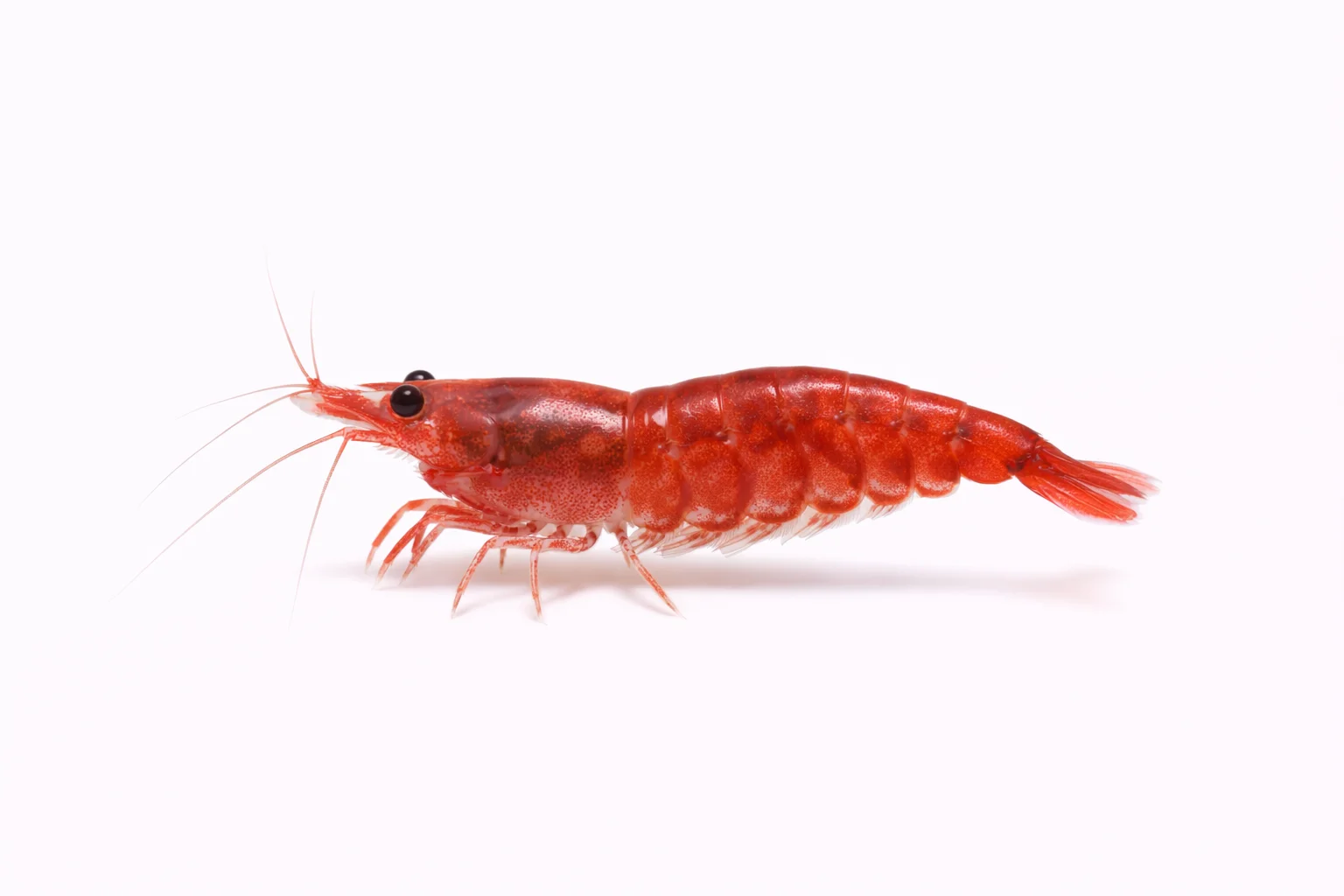 Cherry Shrimp
Neocaridina davidi
easy · 5+ gal
 Clown Killifish
Epiplatys annulatus
moderate · 5+ gal
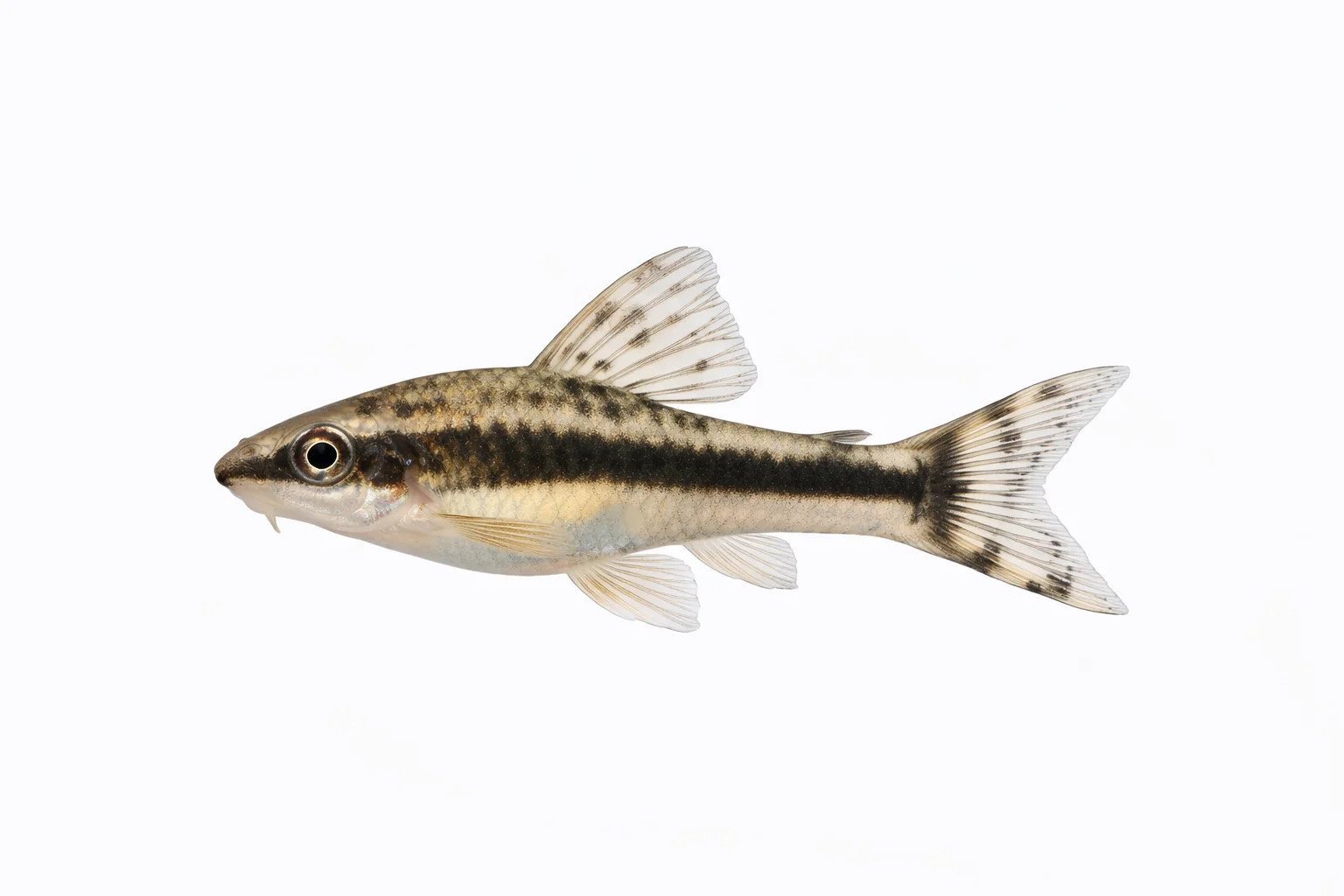 Otocinclus
 sp.
moderate · 10+ gal
Similar Care Level
Other moderate-care species that suit a comparable setup.


Frequently Asked Questions
What size tank does a Forktail Blue-Eye Rainbowfish need?
A Forktail Blue-Eye Rainbowfish needs a minimum tank size of 10 gallons (38 litres). They should be kept in schools of at least 8.
What water parameters does a Forktail Blue-Eye Rainbowfish need?
Forktail Blue-Eye Rainbowfish thrive in water between 75-79°F (24-26°C) with a pH of 7.0-8.0.
Are Forktail Blue-Eye Rainbowfish easy to care for?
Forktail Blue-Eye Rainbowfish are considered moderate to care for. They are peaceful fish with a lifespan of about 3 years.
How big do Forktail Blue-Eye Rainbowfish get and what do they eat?
Forktail Blue-Eye Rainbowfish reach about 2 inches and are omnivores. Keep forktail blue-eye rainbowfish in groups of at least six in a tank of 15 gallons or more with moderate flow and plenty of plants. They prefer slightly alkaline, moderately hard water at 75-79°F. Males display their best coloring and fin extensions in the presence of females and rival males. Feed quality micro-pellets, crushed flakes, and frozen baby brine shrimp and daphnia. They are peaceful and make excellent companions for other small community fish, shrimp, and snails. Provide a mix of open swimming space near the surface and planted areas. Their bright blue eyes are most vivid under good lighting. They are relatively hardy for their small size.