
Cockatoo Dwarf Cichlid
Apistogramma cacatuoides
Minimum Tank
20 Gallons
Adult Size
3.5 inches
Temperature
73-84°F (23-29°C)
pH Range
6.0-7.5
Lifespan
5 years
About Cockatoo Dwarf Cichlid
The cockatoo dwarf cichlid is a colorful, personality-filled fish from the shallow streams and flooded areas of the Amazon basin in Peru and Colombia. Males are dramatically more colorful than females, displaying extended dorsal fin rays reminiscent of a cockatoo's crest, paired with vivid orange, red, and blue coloring. Females are smaller and yellow with dark markings. This species is one of the most popular apistogramma species in the hobby due to its relative hardiness and willingness to breed in aquariums. Males are territorial and maintain small harems of females, each defending her own cave nest. The combination of vivid color, interesting breeding behavior, and moderate care requirements makes this a gateway fish for keepers interested in dwarf cichlids.
Care Requirements
Tank Setup
- • Minimum 20-gallon tank required
- • Temperature: 73-84°F (23-29°C)
- • pH: 6.0 - 7.5
- • Category: Cichlid
Diet & Feeding
- • Diet type: Omnivore
- • Feed 1-2 times daily
- • Varied diet recommended
Tank Mate Compatibility
Compatible With
Avoid Keeping With
Care Tips
Expert Tips
Provide each female cockatoo dwarf cichlid with her own cave or coconut shell hiding spot, as breeding females become fiercely territorial around their nest. A single male can be kept with two to three females in a 20-gallon tank with broken sight lines using plants and driftwood. They prefer soft, slightly acidic water at 75-82°F with a sandy substrate for their natural sifting behavior. Feed high-quality pellets, frozen bloodworms, and brine shrimp. Females turn bright yellow when ready to spawn and will aggressively defend their eggs and fry from all tankmates including the male. They are more adaptable to different water parameters than many apistogramma species.
Quick Facts
76L
Min Tank (20gal)
9cm
Adult Size (3.5")
5yr
Lifespan
1+
Can Keep Solo
Build Your Perfect Community Tank
Find compatible tankmates for your Cockatoo Dwarf Cichlid
Related Species You Might Like
Angelfish
Pterophyllum scalare
Kribensis
Pelvicachromis pulcher
Electric Blue Acara
Andinoacara pulcher var.
Firemouth Cichlid
Thorichthys meeki
Severum
Heros severus
Yellow Lab Cichlid
Labidochromis caeruleus
Tank Mates for Cockatoo Dwarf Cichlid
Species from our database with overlapping water parameters, compatible temperaments and a realistic shared tank size.
 Siamese Algae Eater
Crossocheilus oblongus
easy · 30+ gal
 Flame Tetra
Hyphessobrycon flammeus
easy · 10+ gal
 Glowlight Tetra
Hemigrammus erythrozonus
easy · 10+ gal
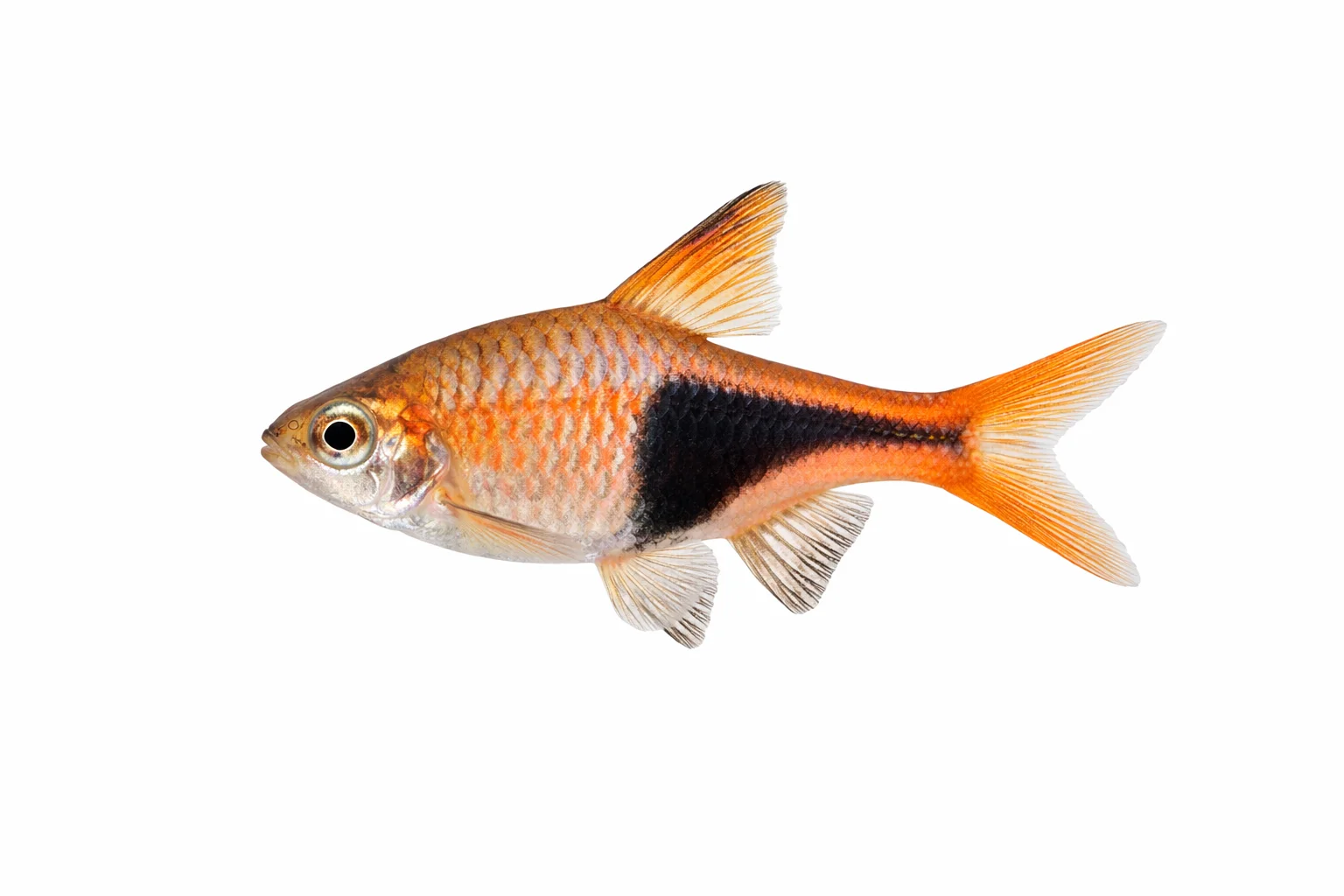 Harlequin Rasbora
Trigonostigma heteromorpha
easy · 10+ gal
Similar Care Level
Other moderate-care species that suit a comparable setup.


Frequently Asked Questions
What size tank does a Cockatoo Dwarf Cichlid need?
A Cockatoo Dwarf Cichlid needs a minimum tank size of 20 gallons (76 litres).
What water parameters does a Cockatoo Dwarf Cichlid need?
Cockatoo Dwarf Cichlid thrive in water between 73-84°F (23-29°C) with a pH of 6.0-7.5.
Are Cockatoo Dwarf Cichlid easy to care for?
Cockatoo Dwarf Cichlid are considered moderate to care for. They are semi-aggressive fish with a lifespan of about 5 years.
How big do Cockatoo Dwarf Cichlid get and what do they eat?
Cockatoo Dwarf Cichlid reach about 3.5 inches and are omnivores. Provide each female cockatoo dwarf cichlid with her own cave or coconut shell hiding spot, as breeding females become fiercely territorial around their nest. A single male can be kept with two to three females in a 20-gallon tank with broken sight lines using plants and driftwood. They prefer soft, slightly acidic water at 75-82°F with a sandy substrate for their natural sifting behavior. Feed high-quality pellets, frozen bloodworms, and brine shrimp. Females turn bright yellow when ready to spawn and will aggressively defend their eggs and fry from all tankmates including the male. They are more adaptable to different water parameters than many apistogramma species.