15 Best Fish for Beginners: Hardy Species That Are Easy to Keep
Starting your first aquarium? These forgiving species can handle the inevitable beginner mistakes while you learn the ropes.
Quick Pick: Top 5 for First-Timers
What Makes a Fish "Beginner-Friendly"?
The best fish for beginners share these traits:
- Hardy — tolerates water quality fluctuations
- Adaptable — thrives in a wide range of pH and temperature
- Peaceful — won't attack tankmates
- Easy to feed — accepts standard flakes and pellets
- Reasonably sized — doesn't outgrow small tanks
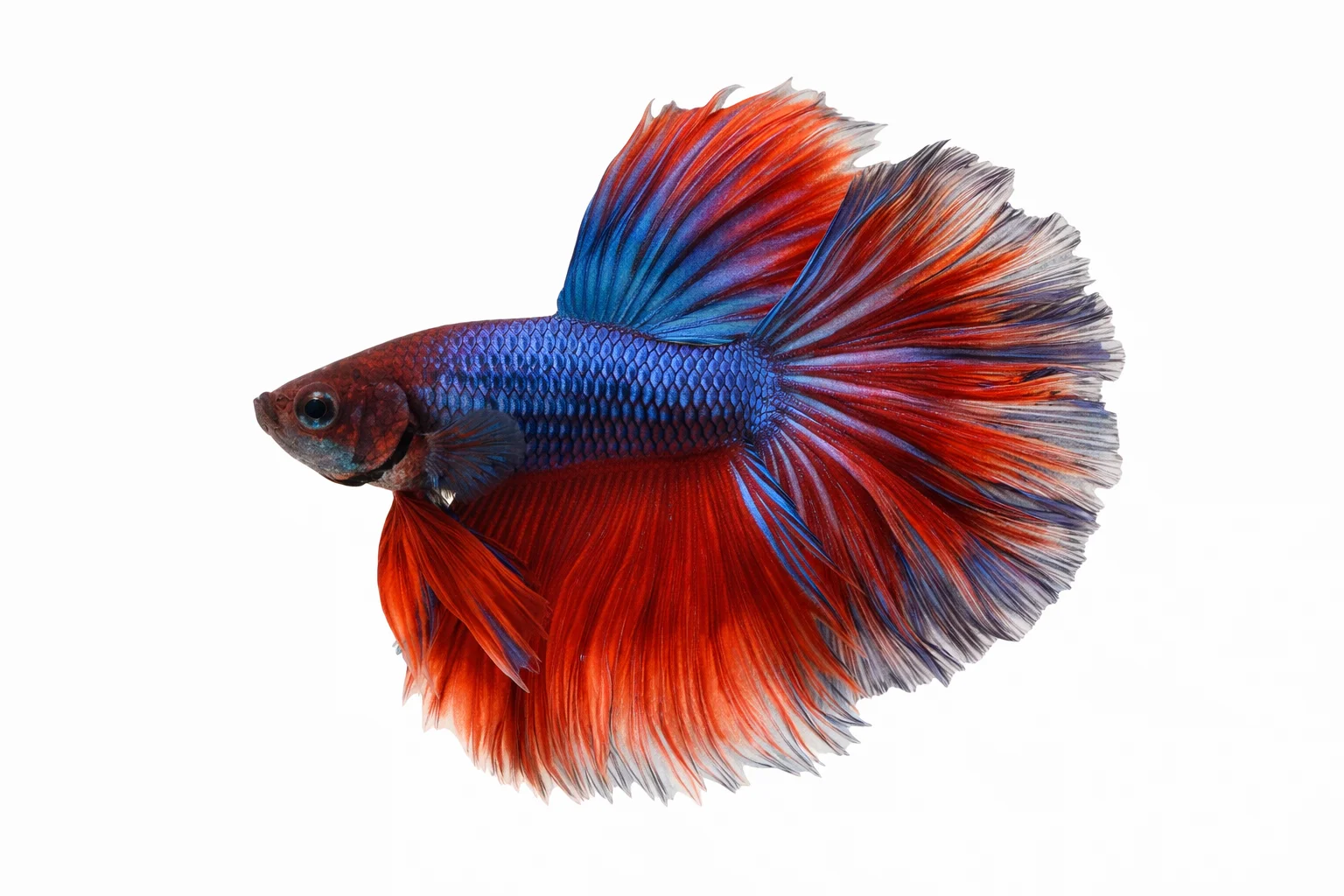
1. Betta Fish (Siamese Fighting Fish)
The quintessential beginner fish. Stunning colors, big personality, and incredibly hardy. Bettas can survive in poor conditions (though they shouldn't have to).
Why they're great for beginners: Don't need a filter in small tanks, can breathe air from the surface, and tolerate temperature swings better than most fish.
Watch out for: Males can't be kept together. Avoid tankmates with long fins (they'll attack them).
Full care guide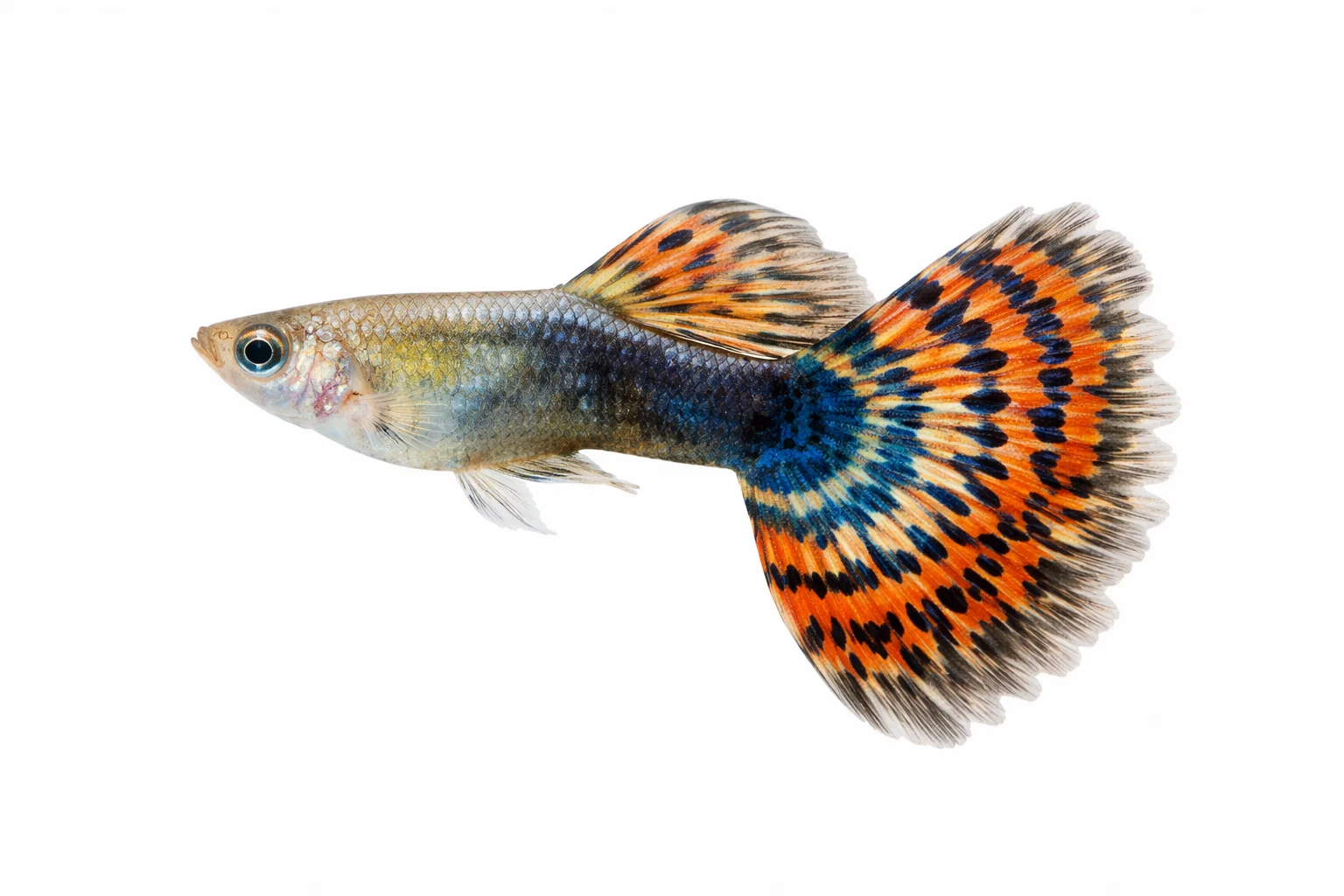
2. Guppy
Colorful, active, and nearly indestructible. Guppies are the ultimate "set and forget" fish. They come in endless color varieties and will happily breed in your tank.
Why they're great for beginners: Adapt to almost any water conditions, eat anything, and are incredibly hardy. Perfect for learning fishkeeping basics.
Watch out for: They breed constantly. Get all males if you don't want babies (females can store sperm for months!).
Full care guide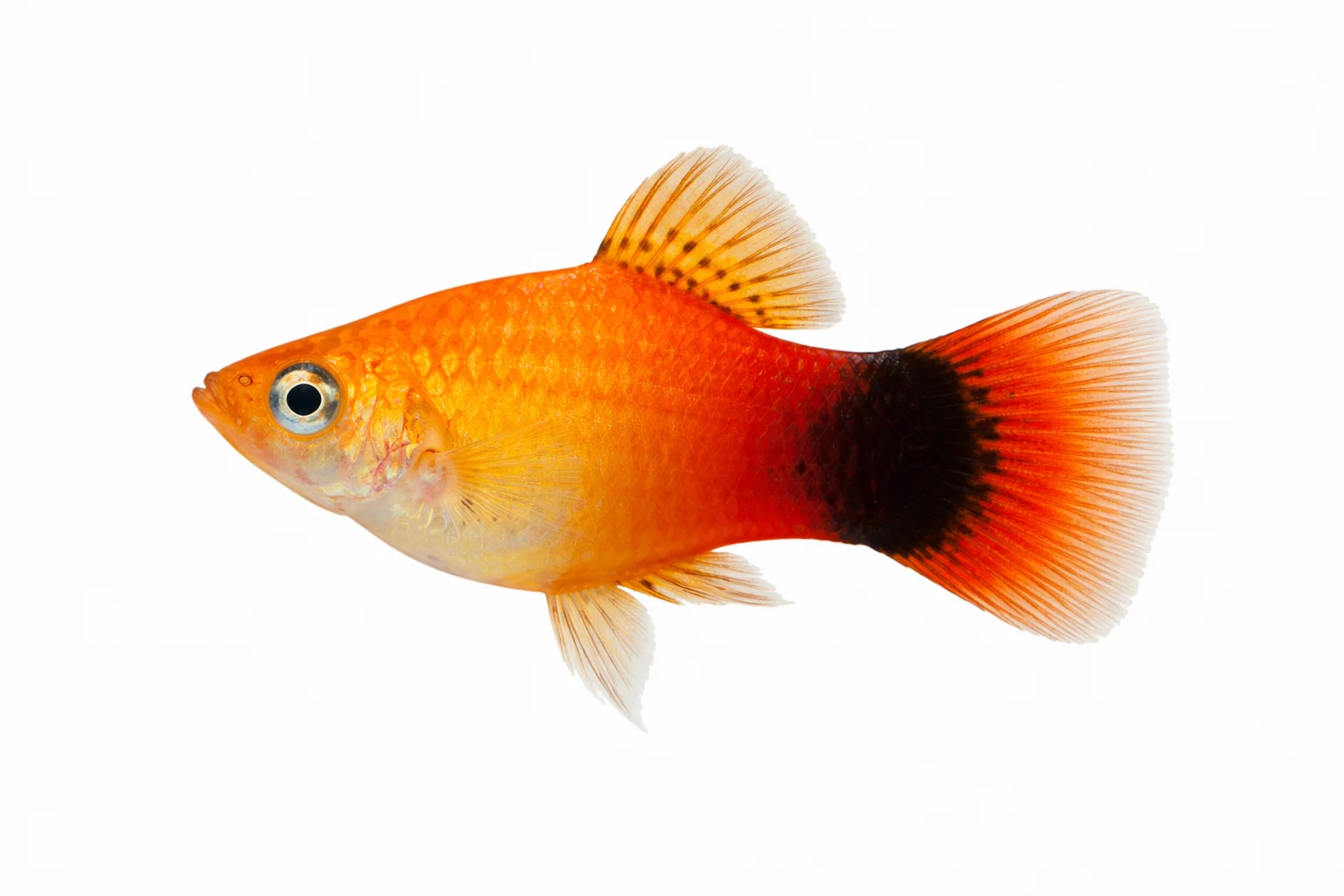
3. Platy
Like guppies but chunkier and even more peaceful. Platies come in red, orange, blue, and countless pattern combinations. They're always active and fun to watch.
Why they're great for beginners: Extremely hardy, peaceful with all tankmates, and help eat algae. They also prefer harder water, which is common in most tap water.
Watch out for: Like guppies, they breed prolifically. Mix sexes only if you want babies.
Full care guide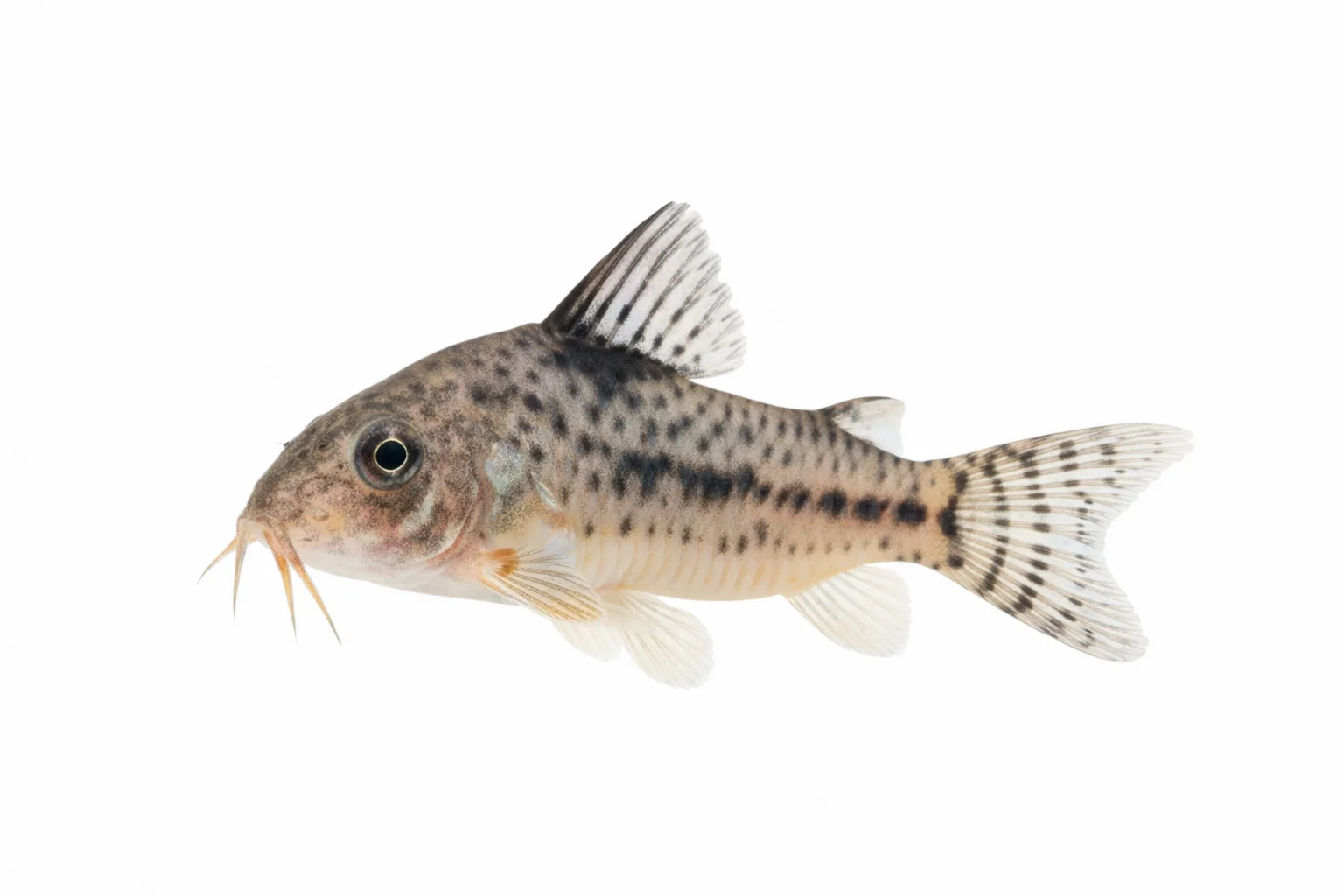
4. Corydoras Catfish
Adorable armored catfish that scoot along the bottom. They're nature's cleanup crew, constantly sifting through substrate for leftover food. Plus, they "wink" when they surface for air!
Why they're great for beginners: Peaceful with everything, help keep the tank clean, and are incredibly cute. Bronze and Peppered corys are especially hardy.
Watch out for: They need sand or smooth gravel — rough substrate damages their barbels. Keep in groups of 6+.
Full care guide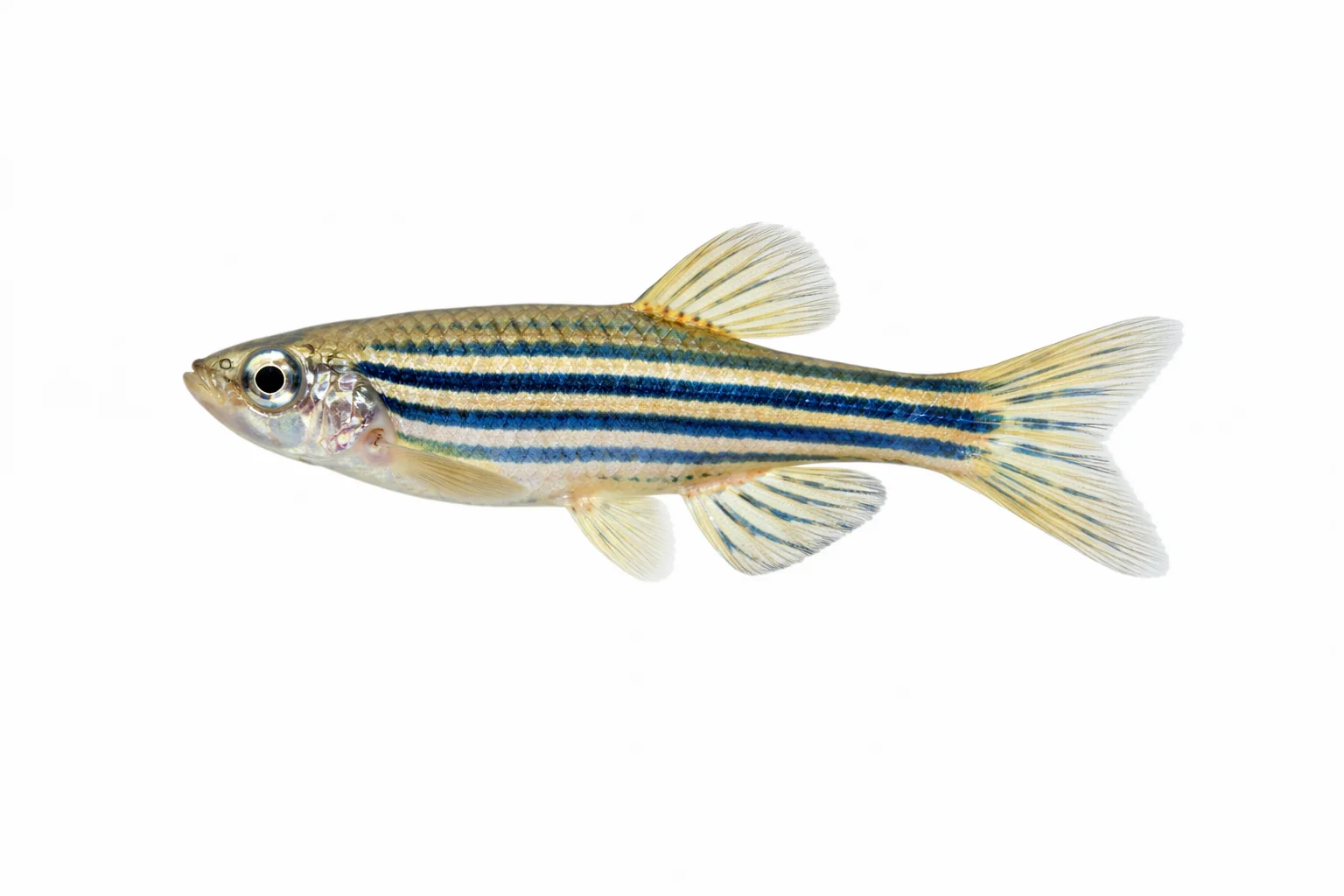
5. Zebra Danio
The ultimate "starter" fish. Zebra danios can survive almost anything — they're often used to cycle tanks because they're so tough. Active swimmers that zip around constantly.
Why they're great for beginners: Nearly impossible to kill. They tolerate temperature swings, poor water quality, and beginner mistakes that would kill most fish.
Watch out for: Very active — they need swimming space. Can be nippy with slow, long-finned fish.
Full care guideMore Great Beginner Fish
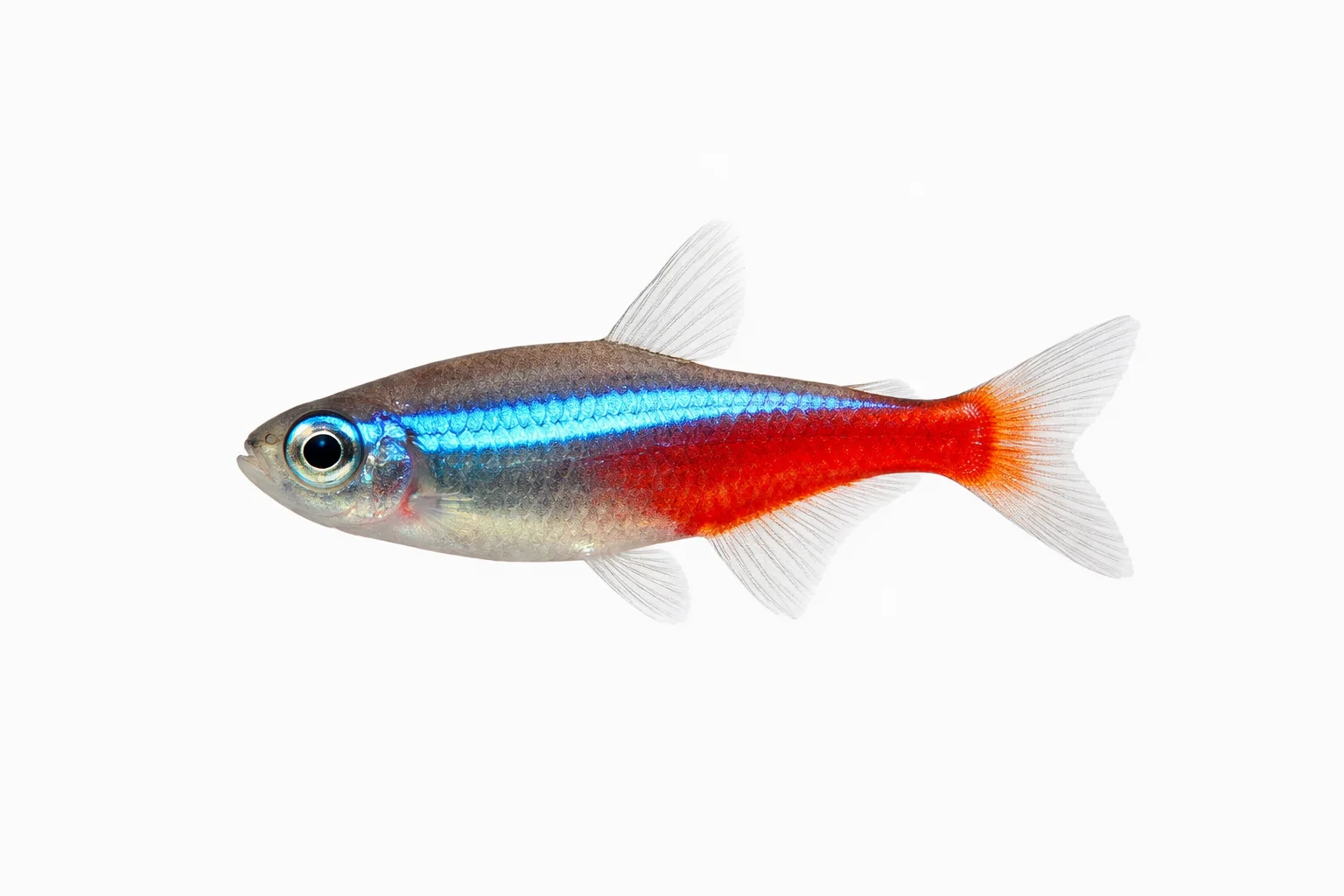
6. Neon Tetra
Iconic blue and red schooling fish. Keep 8+ together in 38L (10gal) or larger.
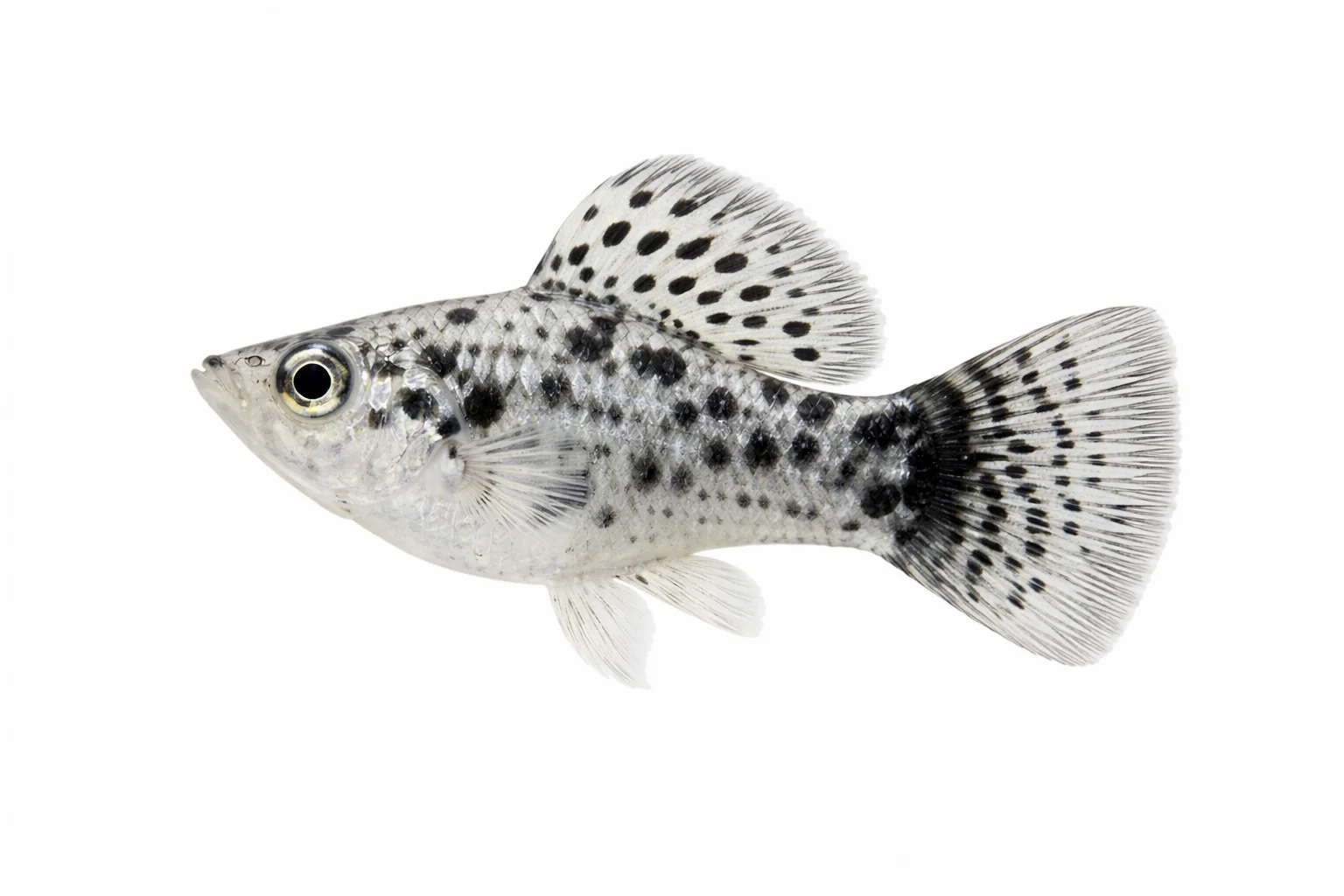
7. Molly
Larger livebearer with many color varieties. Tolerates brackish water. 75L (20gal).
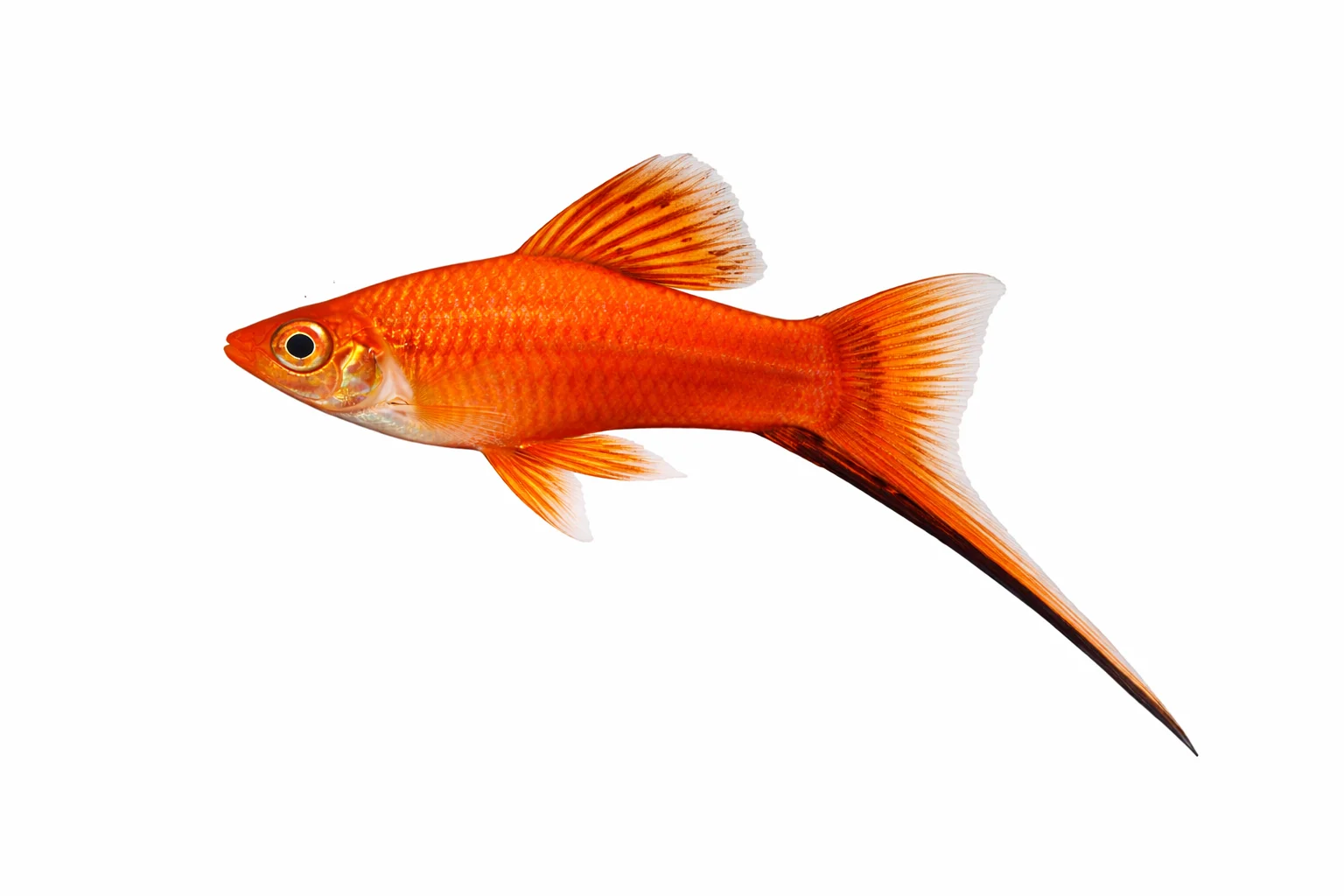
8. Swordtail
Males have distinctive sword-shaped tails. Hardy and colorful. 75L (20gal).
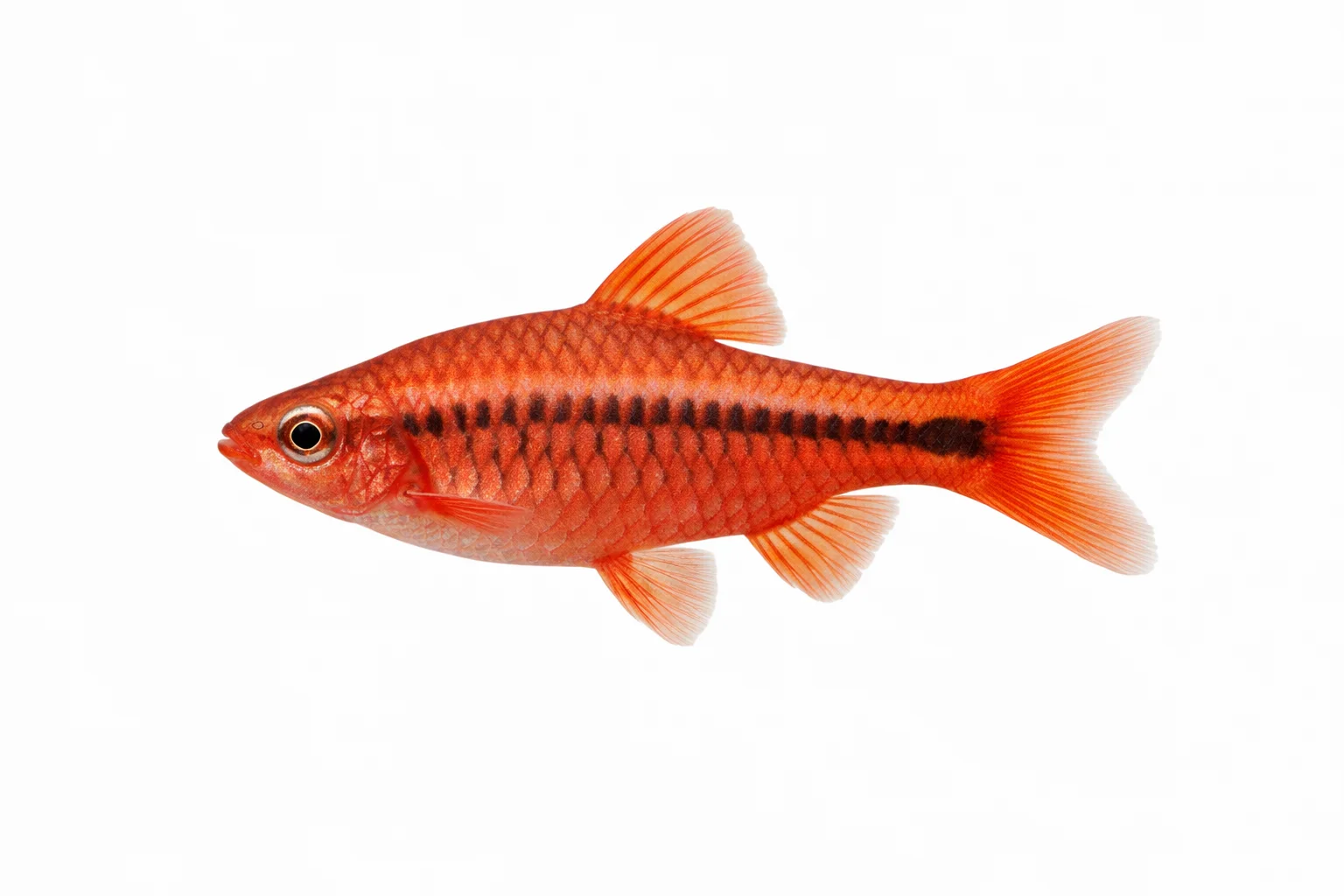
9. Cherry Barb
Peaceful barb species (unlike tiger barbs). Males turn deep red. 75L (20gal).
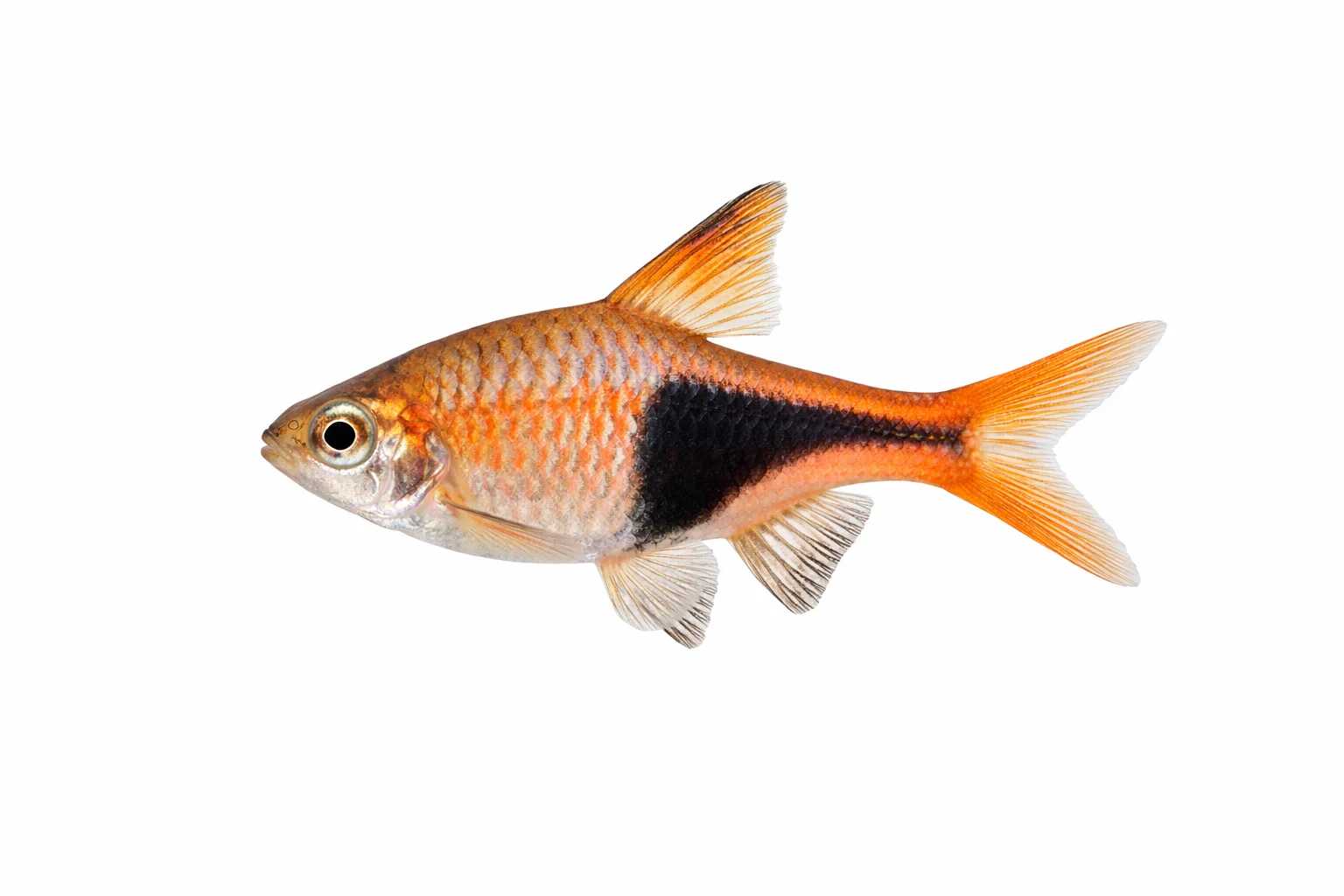
10. Harlequin Rasbora
Beautiful orange with black triangle. Peaceful schooling fish. 38L (10gal).
Best Beginner Cleanup Crew
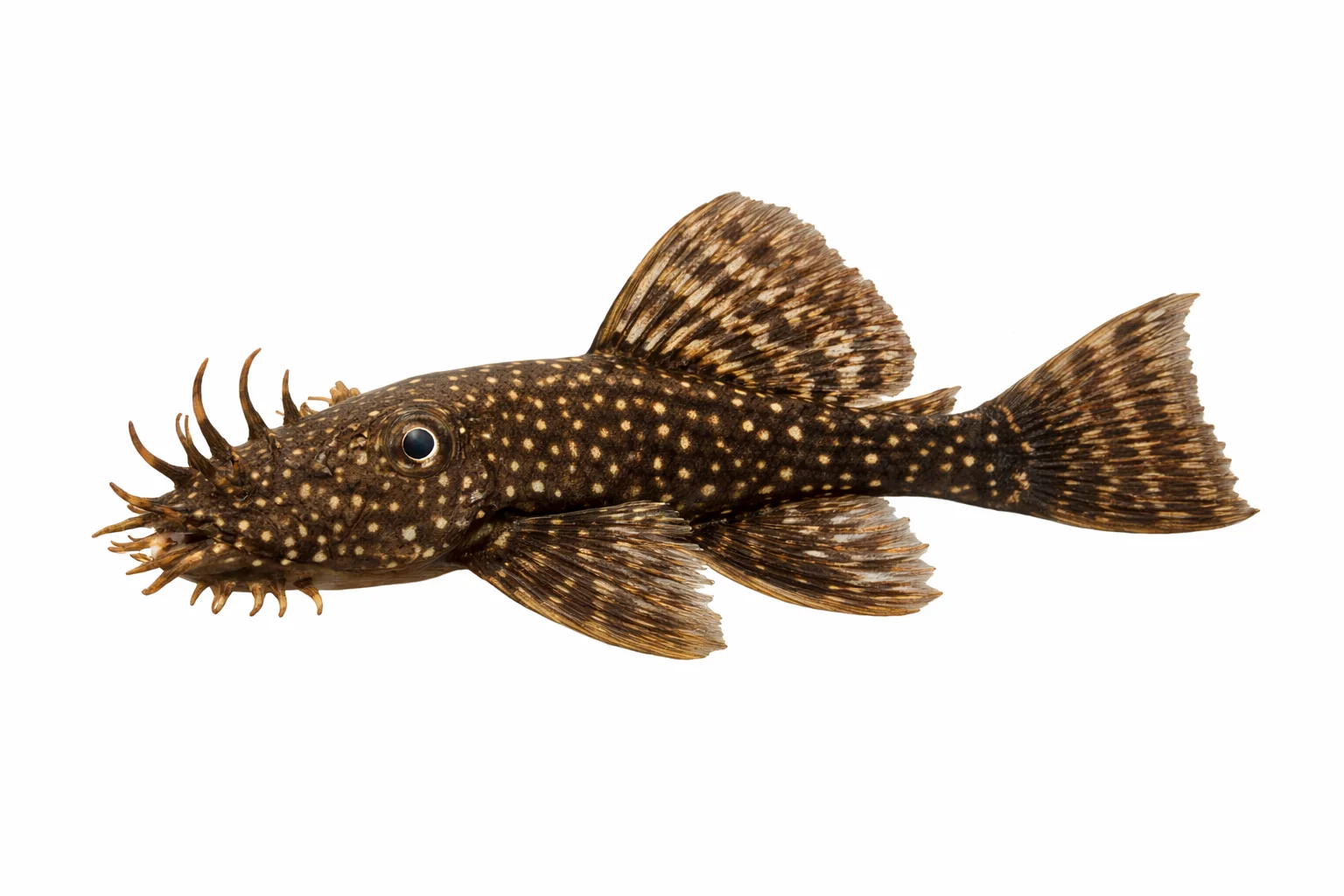
11. Bristlenose Pleco
Stays small (12cm/5"), eats algae constantly. The only pleco for beginners. 75L (20gal).
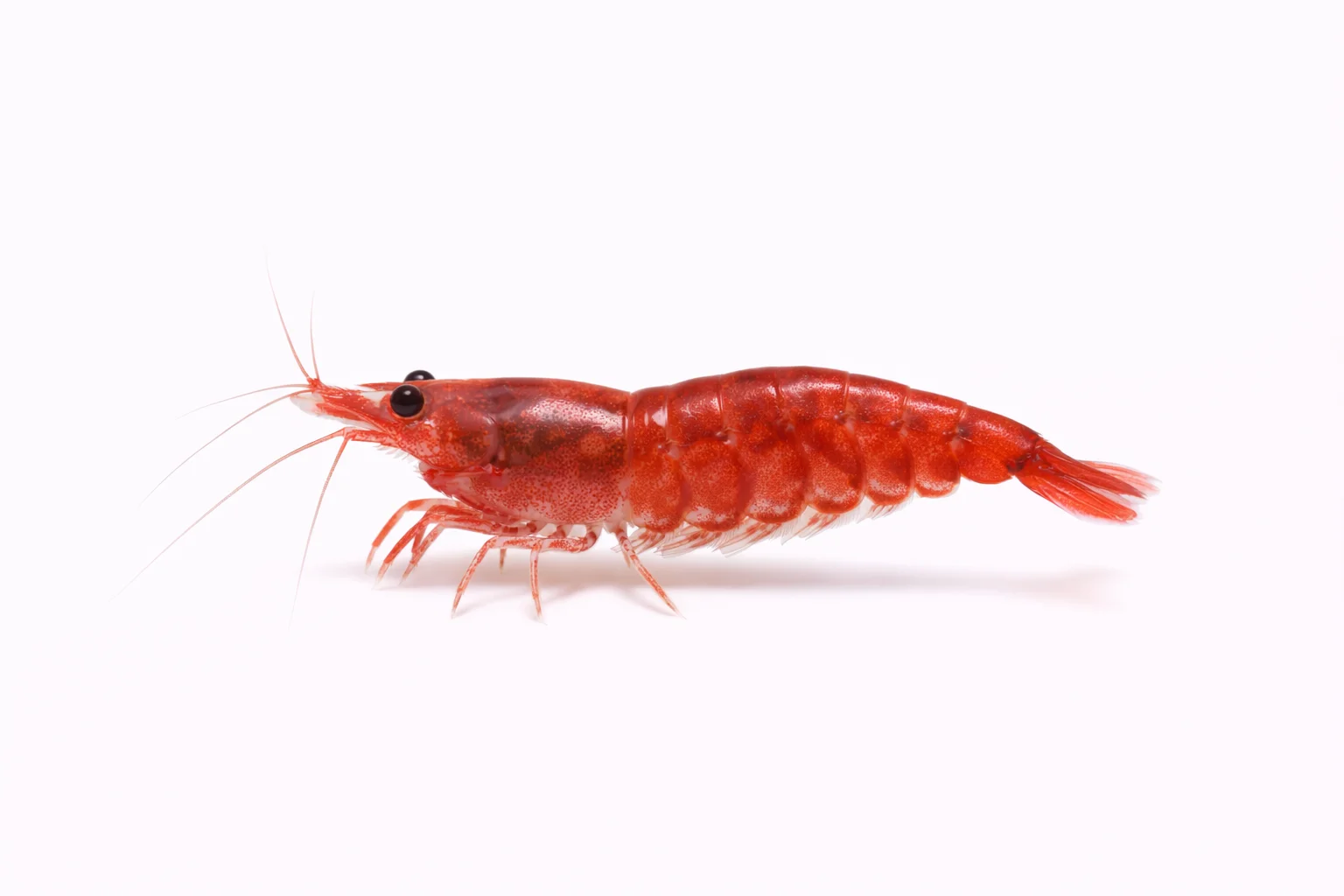
12. Cherry Shrimp
Colorful, breed easily, eat algae and detritus. Safe in any tank 8L+ (2gal+).
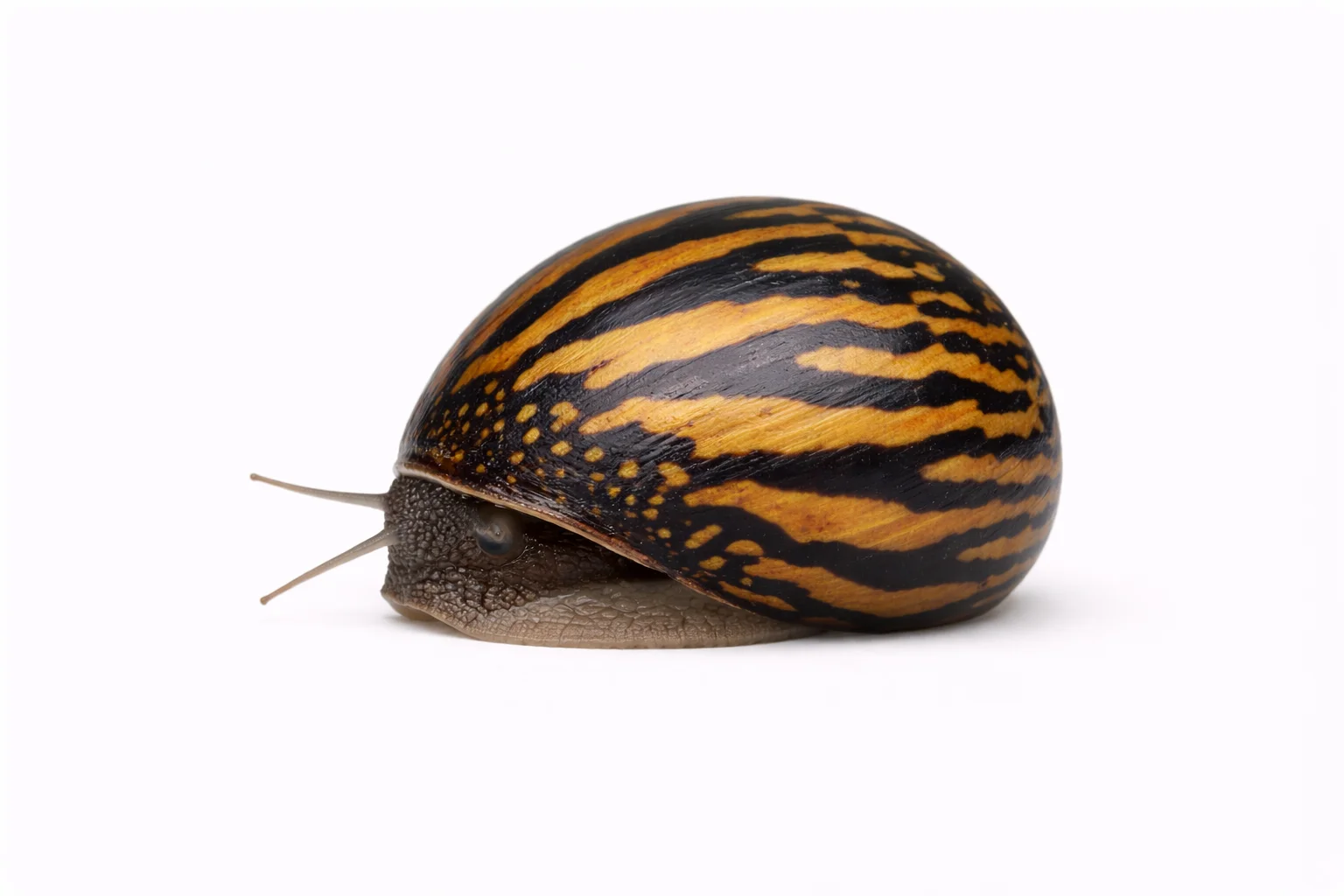
13. Nerite Snail
Best algae-eating snail. Won't overpopulate (eggs only hatch in brackish water).
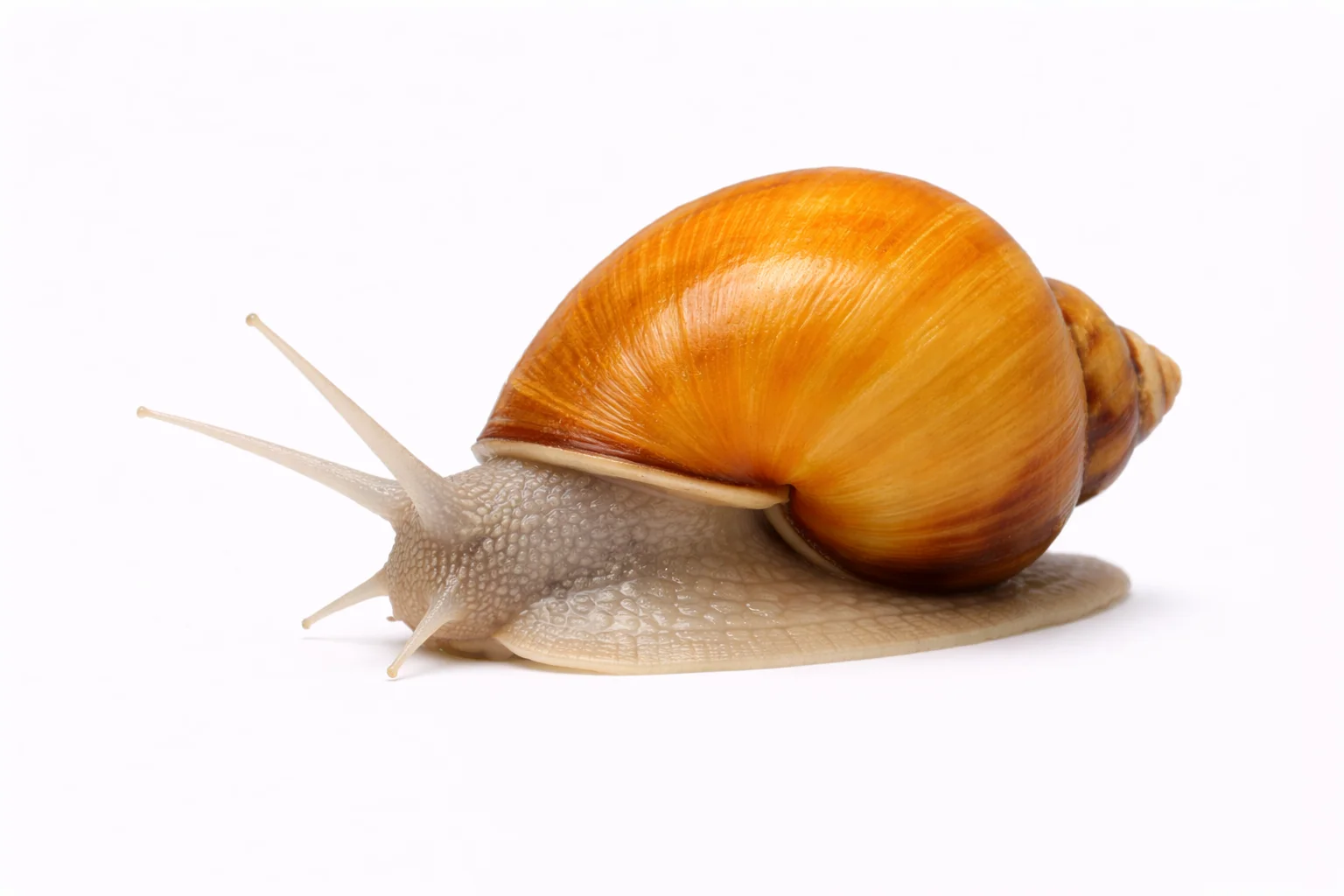
14. Mystery Snail
Large, colorful snails with big personalities. Come in gold, blue, and purple.
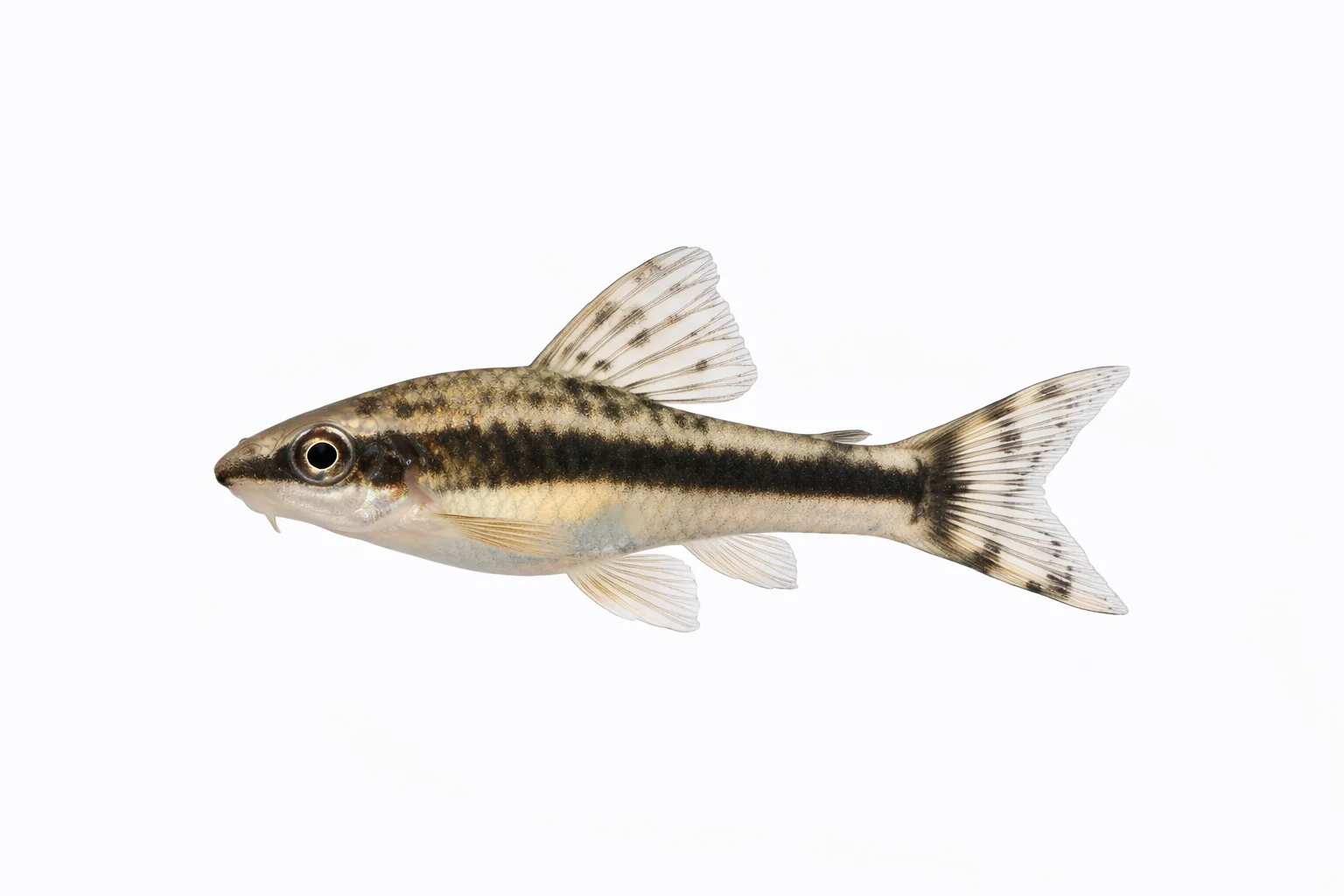
15. Otocinclus
Tiny algae-eating catfish. Sensitive at first but great once established. 38L (10gal).
Beginner Tips for Success
Cycle your tank first
Even hardy fish can die in an uncycled tank. Read our cycling guide before adding fish.
Start with fewer fish
Understocking is better than overstocking. You can always add more later once you're confident with maintenance.
Test your water weekly
An API Master Test Kit is the best investment. Test ammonia, nitrite, nitrate, and pH until you know your tank is stable.
Not sure which fish is right for you?
Take our 2-minute quiz to get personalized recommendations based on your tank size and experience level.
Find Your Perfect Fish